Summary: Choosing between Wall vs. ceiling acoustic treatment is one of the most common questions acoustic consultants hear from homeowners, studio owners, and facility managers. Both surfaces absorb sound, but they solve different problems, and getting the sequence right determines whether a room actually sounds better or just looks treated. This guide breaks down when to start with walls, when ceilings matter more, and how to combine both for lasting results.
Why Does the Wall vs Ceiling Acoustic Treatment Debate Matter?
Every space has parallel hard surfaces that bounce sound back and forth, creating echo, flutter, and poor speech clarity. The Wall vs Ceiling Acoustic Treatment decision matters because walls and ceilings interact with sound waves differently depending on room shape, ceiling height, and how the space is used. Treating the wrong surface first often means spending money without hearing real improvement.
What Do Acoustic Panels for Ceiling vs Wall Actually Do?
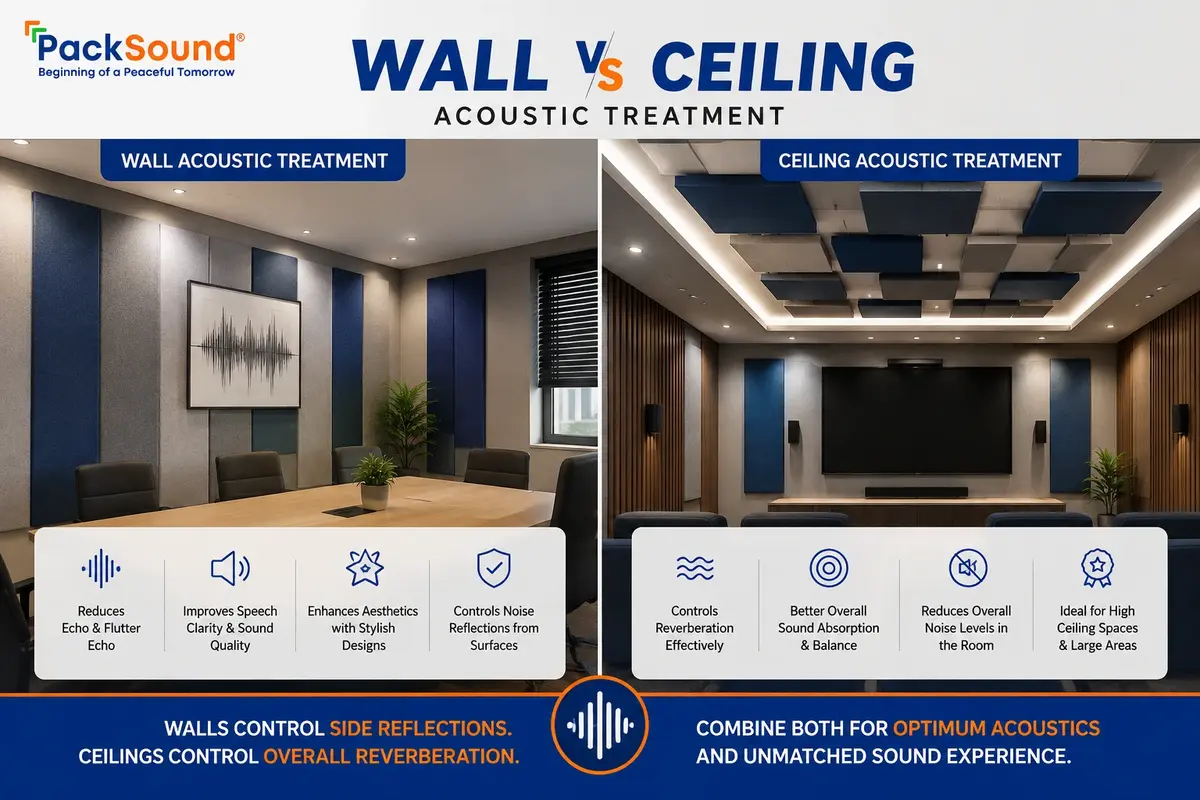
Acoustic Panels for Ceiling vs Wall both convert sound energy into heat through absorptive material, but their placement changes what they control. Wall panels intercept early reflections that travel horizontally from speakers, voices, or machinery straight to a listener’s ears. Ceiling panels catch the reflections that bounce vertically, which matter most in rooms with high or hard ceilings, such as auditoriums, gyms, and open offices. In most home and office settings, first reflection points on the side walls carry the greatest impact on speech clarity, which is why many professionals treat walls before ceilings.
Ceiling Acoustics vs Panels: Which Should You Prioritize First?
The comparison of Ceiling Acoustics vs Panels usually comes down to room geometry. If your ceiling is low and reflective, sound reaches the ear quickly from above, and ceiling clouds or baffles should be an early priority. If the ceiling is already carpeted, has exposed insulation, or sits far from the listener, wall treatment typically delivers faster, more noticeable results. A simple rule many acousticians follow: treat the surface closest to the sound source and listener path first, then expand outward.
How Does Ceiling Acoustics vs Wall Acoustics Differ in Real Spaces?
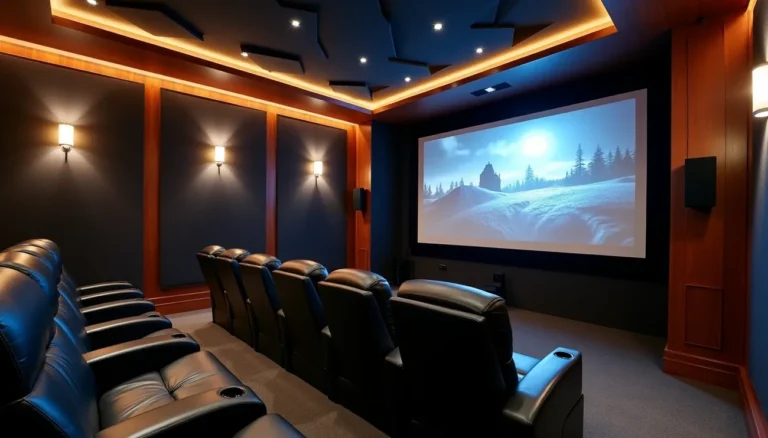
Ceiling acoustics vs wall acoustics differ mainly in surface area and airflow. Ceilings are usually the single largest unobstructed surface in a room, making them efficient for broad reverberation control once budget allows. Walls, however, are easier to access, cheaper to install on, and directly address the reflections a listener notices first. In recording studios and home theatres, a hybrid approach works best: initial wall coverage on side and rear walls, followed by ceiling clouds above the listening or mixing position. Also check: Acoustic Panels for Temples & Prayer Halls.
Ceiling vs Wall Acoustic Panels: What Works Best for Spaces?
For Ceiling vs Wall Acoustic Panels in everyday spaces like conference rooms and offices, wall panels generally offer the best return on investment. They are simpler to mount, require no structural suspension, and target the reflections that affect conversation and video calls. Ceiling panels become worthwhile once wall coverage reaches roughly 25 to 30 percent of available surface area and echo persists, particularly in rooms with cathedral ceilings or open-plan layouts.
Ceiling vs Wall Panels: How Do You Decide the Right Combination?
Deciding on Ceiling vs Wall Panels for a specific project should follow a simple sequence. Start by identifying the loudest or most reflective surfaces, measure the room’s reverberation time if possible, treat first reflection points on walls, then evaluate whether residual echo comes from above. This staged approach avoids overtreating one surface while leaving the actual problem area untouched.
What Role Do Ceiling and Walls for Auditoriums Play Together?
Ceiling and walls for auditoriums cannot be treated in isolation because these spaces combine long reverberation times with large volumes and mixed use, from speech to music. Auditoriums generally need ceiling clouds or suspended baffles to manage overhead reflections across a large seating area, combined with wall panels along the rear and side walls to control slap echo and improve intelligibility for every seat. Neglecting either surface leaves noticeable dead zones or persistent echo.
Conclusion
There is no universal winner in the Wall vs Ceiling Acoustic Treatment comparison. Walls usually come first for small to mid-sized rooms because they address the reflections closest to the listener at lower cost. Ceilings take priority in tall, open, or high-traffic spaces where overhead reflections dominate the sound field. The most reliable results come from assessing the room, prioritising first reflection points, and building coverage in stages rather than guessing.
Frequently Asked Questions:
Should I treat walls or ceiling first in a home studio?
Start with walls at first reflection points, since they address the sound reaching your ears most directly.
Do ceiling panels really make a difference in a normal living room?
Only if the ceiling is high or hard; standard 8 to 9 foot ceilings usually need wall treatment first.
How much wall coverage is enough before adding ceiling panels?
Most rooms see noticeable improvement between 25 and 40 percent wall coverage before ceilings become necessary.
Are ceiling clouds better than wall panels for open offices?
Ceiling clouds often perform better in open offices because they cover large areas without blocking walkways or furniture.