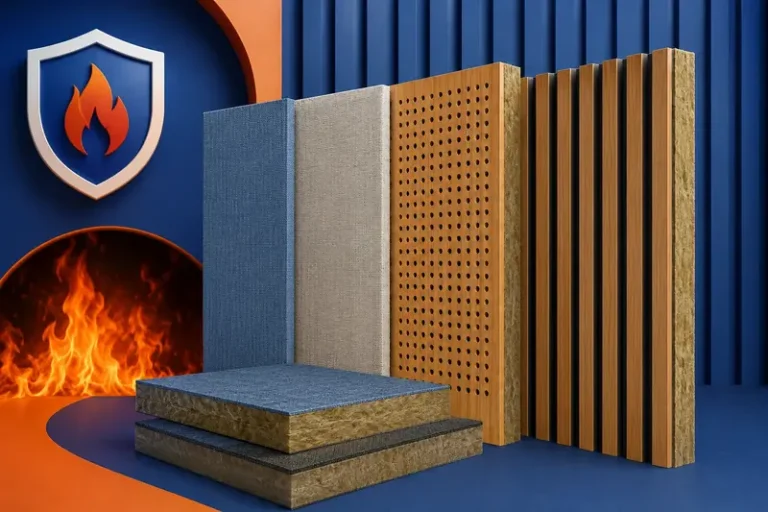
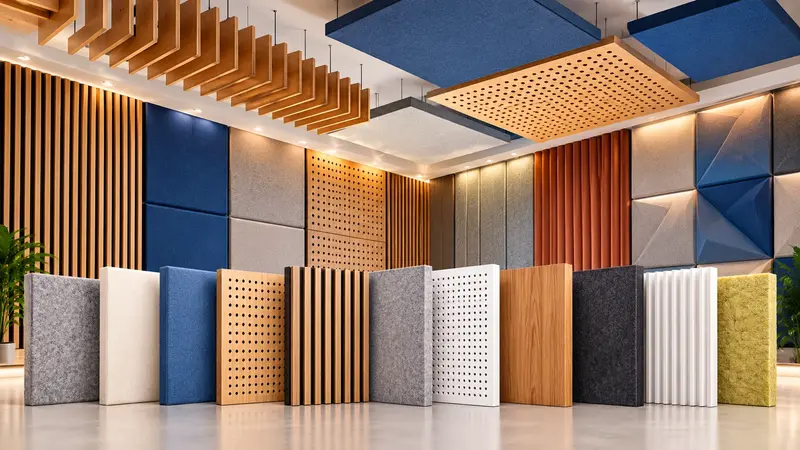
Anyone researching acoustic panels prices usually hits the same wall: every supplier quotes a different figure, and nobody explains why. Whether you are soundproofing a home studio, an office cabin, or a living room, understanding what drives acoustic panels prices helps you avoid overpaying for the wrong product or underpaying for something that will not perform. This guide breaks down the real cost factors in plain language, without pushing any single number as “the” price, since actual costs shift by material, finish, order size, and installation complexity.
What Factors Influence Acoustic Panels Prices?
Several variables decide where a project lands on the cost spectrum. Core material (foam, PET felt, fiberglass, or wood), panel thickness, density, fabric wrapping, custom printing, and installation labour all add or reduce cost. Projects ordered in bulk for offices or studios tend to land in a more value-for-money bracket per square foot than small, one-off retail purchases. Room size, ceiling height, and whether panels are fixed on walls or suspended as baffles also affect the final quote.
How Much Does Acoustic Foam Price Vary By Type?
Acoustic foam price is usually the most budget-friendly entry point into sound treatment. Basic wedge or pyramid foam panels, popular in home studios and practice rooms, sit at the lower end of the spectrum, while high-density, fire-rated foam used in commercial spaces costs noticeably more. Foam is lightweight, easy to install, and a practical first step for anyone testing room acoustics before investing further.
What Is the Baffle Ceiling Price Range for Homes and Offices?
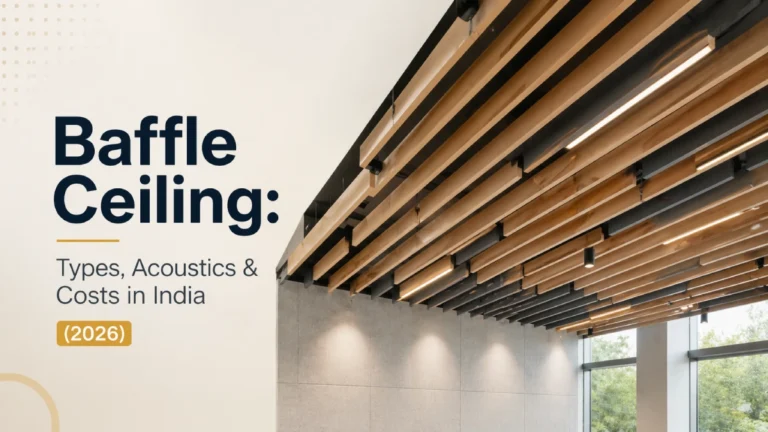
Baffle ceiling price depends on panel size, hanging hardware, and how many units are needed to cover a given ceiling area. Ceiling baffles are favoured in open-plan offices, auditoriums, and studios because they treat sound from above without reducing usable wall space. Custom colours or printed baffles sit at a premium compared to standard stock finishes, so matching the design intent to budget matters here.
How Does Acoustic Board India Pricing Compare Across Materials?
Acoustic board india options typically fall into three categories: PET felt boards, mineral wool boards, and wood wool boards. PET felt is eco-friendly and competitively priced, mineral wool offers stronger absorption at a mid-range cost, and wood wool boards, valued for their natural texture, usually command a higher price due to manufacturing complexity. Choosing between them depends on whether the priority is budget, aesthetics, or acoustic performance.
What Should You Expect for Acoustic Panels for Walls Price?
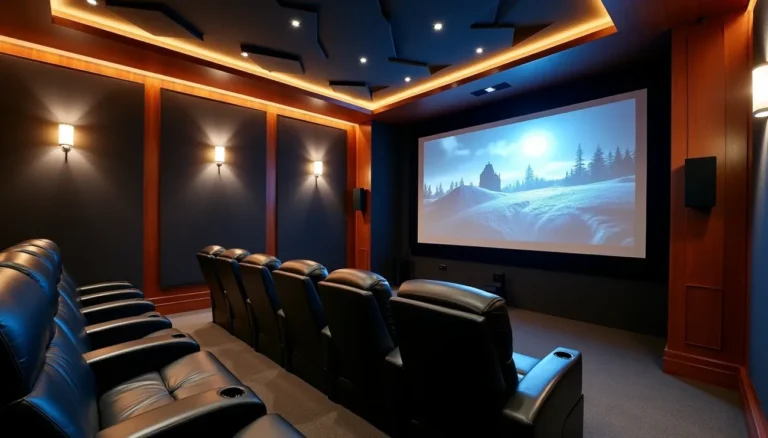
Acoustic panels for walls price varies with fabric quality, core density, and panel size. Basic fabric-wrapped panels remain affordable for residential rooms, while designer, acoustically rated wall panels used in home theatres and corporate boardrooms sit at a higher, premium tier. For homes, a mix of budget-friendly and mid-range panels on key reflection points usually delivers the best value without a full-room overhaul.
Are Acoustic Tiles Price and Acoustic Sheet Price Different?
Acoustic tiles price generally applies to modular ceiling tiles used in false ceiling systems, while acoustic sheet price covers larger continuous sheets used for bigger wall or ceiling runs. Tiles are easier to replace individually and suit grid-ceiling offices, while sheets suit large, uninterrupted surfaces like studio walls. Tiles can work out more economical for smaller rooms, while sheets are often more practical, and cost-efficient per square foot, for larger spaces.
How Much Do Acoustic Panels Cost in Bangalore?
Acoustic panels bangalore pricing follows the national pattern but can shift slightly due to local transport, installation labour, and demand from the city’s growing studio and IT office market. Buyers in Bangalore often find competitive, best-price deals when ordering directly from manufacturers rather than retail resellers, since direct sourcing cuts out middleman margins.
How to Choose Acoustic Panels Prices That Fit Your Budget?
Start by identifying the real problem (echo, external noise, or both), measure the room, and prioritise reflection points like walls facing each other and ceiling centre points. Compare quotes from a few verified suppliers such as Packsound, request sample swatches, and ask for NRC (Noise Reduction Coefficient) ratings before deciding, since a lower upfront price with poor absorption often costs more in the long run through redone work.
Conclusion
Acoustic panels prices are never a single fixed number. They move with material choice, thickness, finish, order volume, and installation needs. The smartest approach is matching panel type to the actual acoustic problem rather than chasing the cheapest or costliest label. For an authoritative technical reference on how absorption performance is measured, see the Noise Reduction Coefficient entry on Wikipedia.
Summary
Acoustic panels prices depend on core material, thickness, fabric or finish, and order size, ranging from budget-friendly foam options to premium wooden or fabric-wrapped panels. Understanding these variables, rather than comparing isolated numbers, helps homeowners and businesses make a cost-effective, performance-matched choice.
Frequently Asked Questions:
Is acoustic foam cheaper than fabric-wrapped panels?
Yes, acoustic foam price is generally more budget-friendly than fabric-wrapped panels. Fabric wrapping adds material and labour cost, pushing the price higher.
Do acoustic panels really reduce room echo for home use?
Yes, panels placed at key reflection points noticeably cut echo and improve speech clarity. For homes, even partial wall coverage makes a measurable difference.
Is it worth buying acoustic tiles instead of full sheets?
It depends on room size. Acoustic tiles price suits smaller, modular ceiling jobs, while sheets are more economical for larger continuous areas.
Can I install acoustic panels myself to save cost?
Basic foam and lightweight PET panels are DIY-friendly with adhesive mounts. Heavier wooden or fabric panels usually need professional fixing for safety.
Why do similar-looking panels have very different prices?
Core density, NRC rating, and fire-safety certification vary even among similar-looking panels, which explains the price gap between budget and premium options.