Choosing Acoustic Foam and Other Materials
Acoustic foam can be useful for targeted reflection control in recording, practice and content creation spaces. Select thickness, coverage and placement for the frequencies and room use involved. Ask about fire suitability, maintenance, mounting and product documentation before specifying exposed foam.
Terms such as soundproof foam and sound insulation foam are often used when searching for noise-control products. Most lightweight absorptive foam treats reflected sound rather than blocking transmission between rooms. If your requirement is sound proofing against traffic, neighbours or machinery, first assess the building assembly and leakage paths, then choose materials for that purpose.
Solutions for Work, Learning and Hospitality
Offices and Meeting Rooms
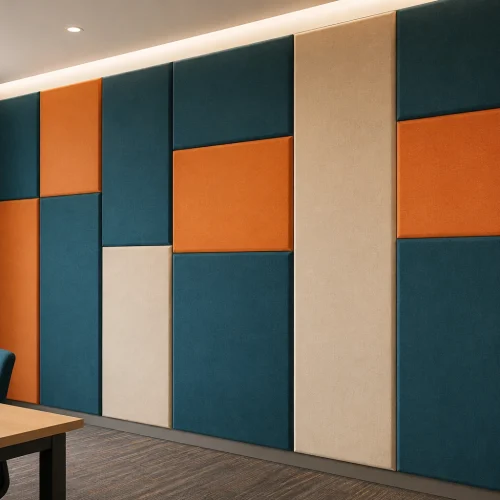
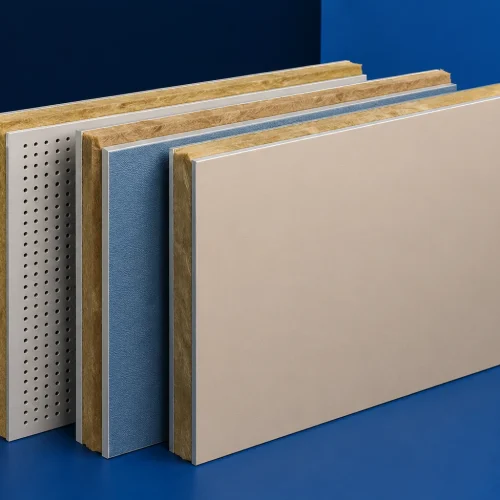
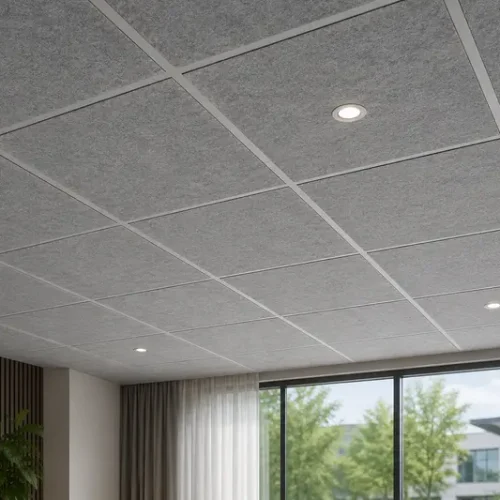
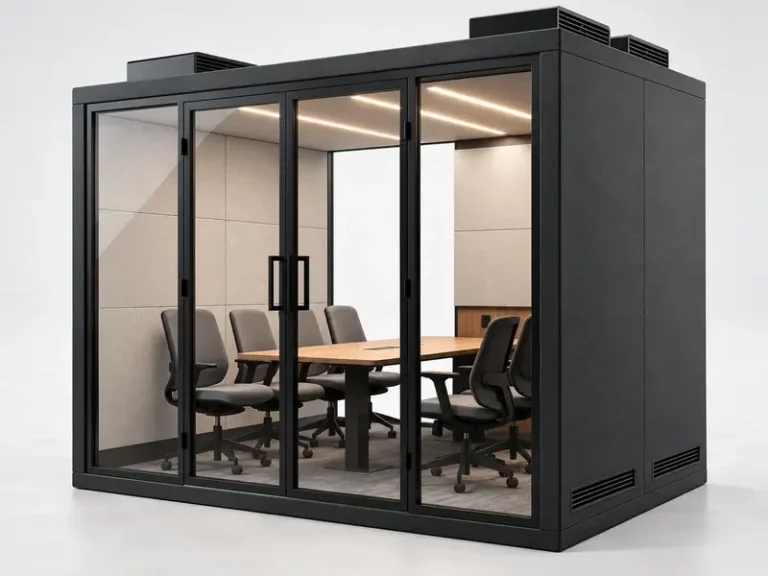
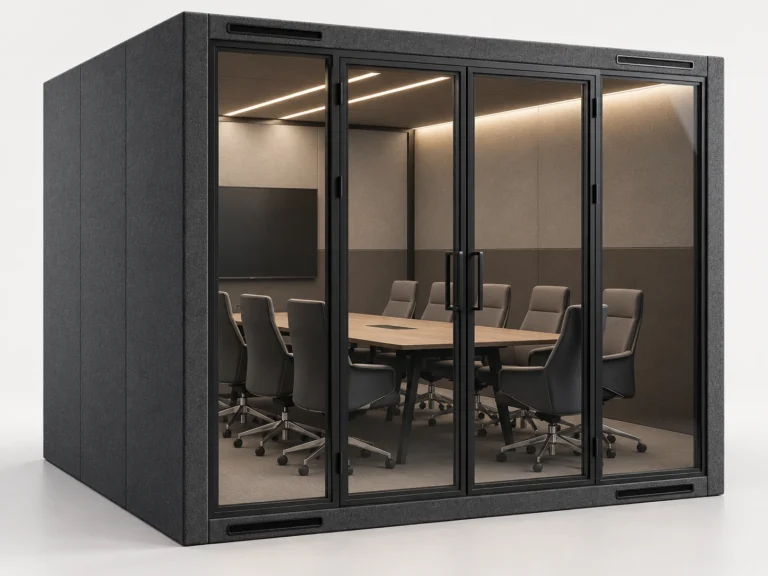
Balance sound absorbing panels with privacy measures for calls and discussions. Position treatments around reflective walls and ceilings, while considering doors, glazing and shared partitions.
Schools and Auditoriums
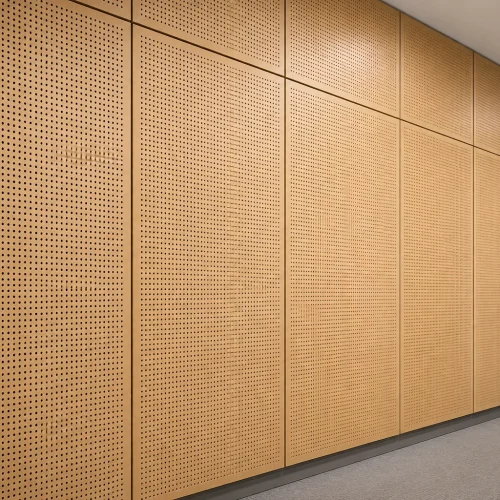
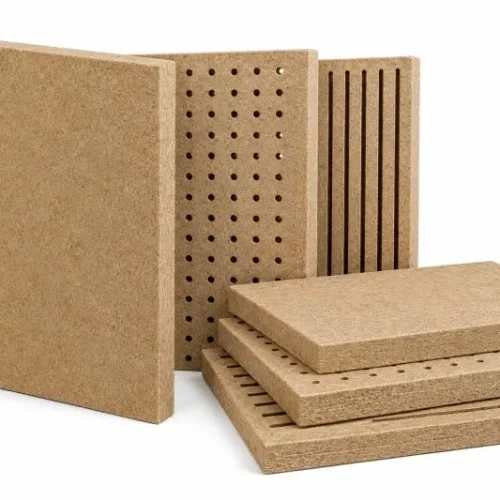
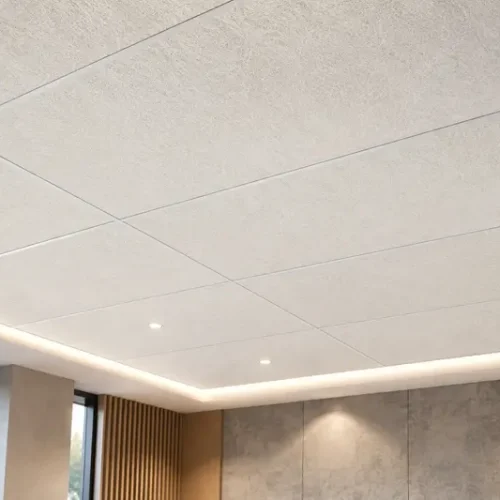
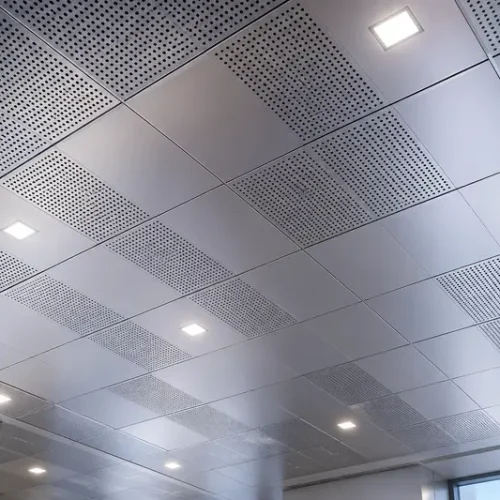
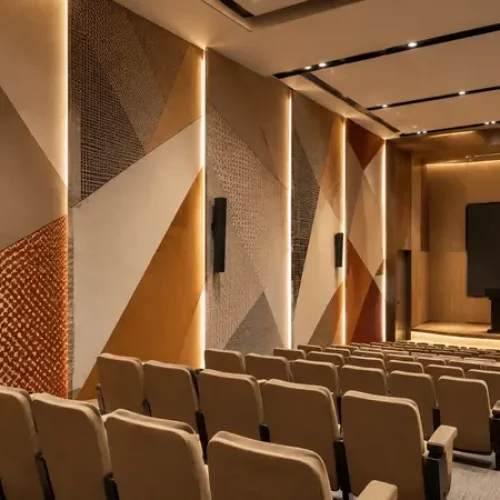
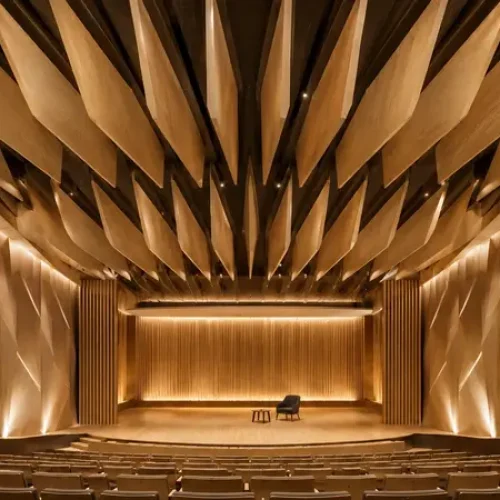
Plan absorption around room volume, seating and speech or music use. Acoustic wall panels and ceiling treatments can help manage reverberation without covering every surface.
Hotels, Restaurants and Studios
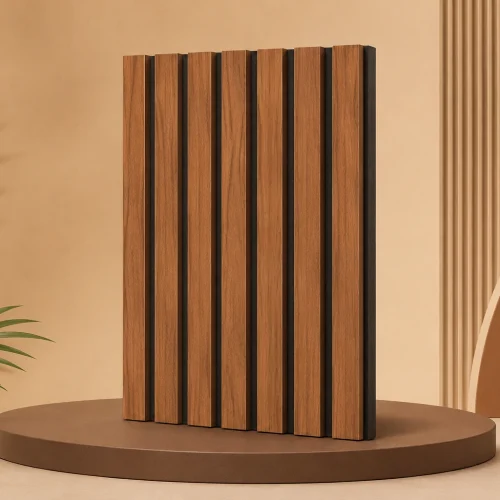
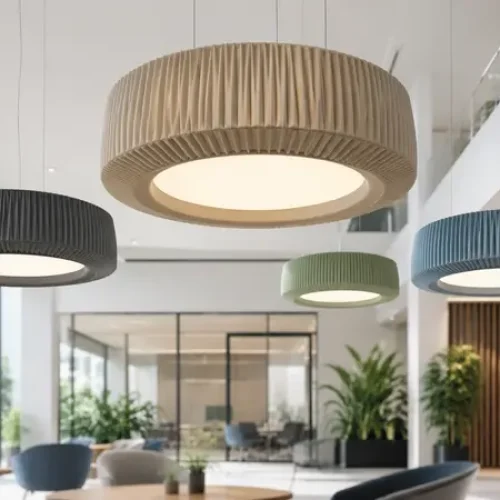
Coordinate acoustic sound panels with lighting, décor and maintenance needs. For guest rooms or recording spaces, review sound isolation separately from the room’s internal acoustic treatment.