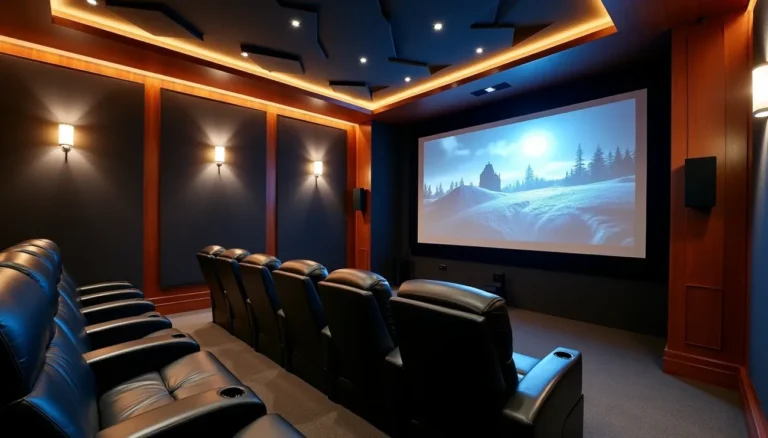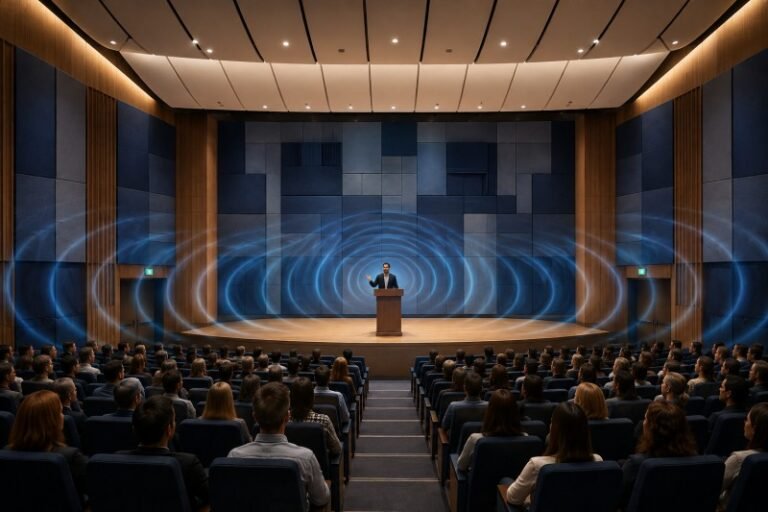
Cinema halls and multiplexes depend on precise sound control to deliver an immersive viewing experience. Echo, reverberation, and uneven sound distribution can ruin even the best audio systems. This is where Acoustic Panels for Cinema Halls & Multiplexes play a critical role, helping architects and theatre owners achieve clear dialogue, balanced bass, and distraction free acoustics across every seat.
What Are Perforated Acoustic Panels and Why Do Cinema Halls Need Them?
Perforated acoustic panels are engineered boards with small holes across their surface, designed to trap and absorb sound waves instead of letting them bounce around a room. In cinema halls, uncontrolled reflections cause flutter echo and muddy dialogue. Acoustic perforated panels address this by allowing sound energy to pass through the perforations into an absorptive backing layer, reducing reverberation time and improving speech intelligibility, which matters greatly in large auditoriums with high ceilings and hard surfaces.
How Do Perforated Acoustic Wall Panels Improve Sound Clarity in Multiplexes?
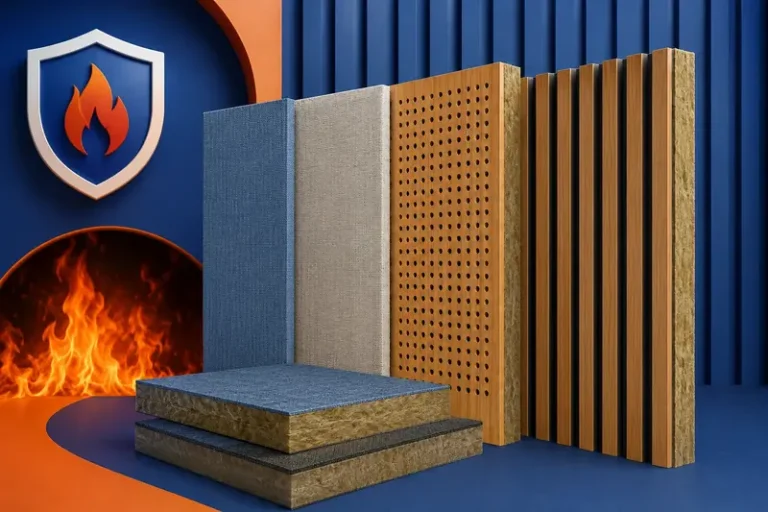
Multiplexes often host multiple screens close together, so sound isolation between halls is essential. Perforated acoustic wall panels manage both absorption and diffusion, scattering sound evenly while minimizing harsh reflections off side walls. This helps maintain consistent audio quality from the front row to the back. Many architects also pair perforated wall panels with mineral wool or acoustic fleece backing to boost low frequency absorption , which is particularly useful for theatres running heavy surround sound systems.
What Is the Difference Between Perforated Wood Acoustic Panels and Microperforated Acoustic Panels?
Perforated wood acoustic panels use larger, visible perforation patterns and are typically chosen for their warm aesthetic and strong mid to high frequency absorption. Microperforated acoustic panels, on the other hand, use extremely fine holes, often under one millimeter, which allow absorption without a fabric or fleece backing in some designs. For cinema interiors, microperforated acoustic panels are favoured where a cleaner, seamless surface is needed, while wood variants suit halls aiming for a richer, premium look alongside solid acoustic wood panels on feature walls.
Why Are Perforated Wooden Panels a Popular Choice for Acoustic Wood Wall Panels in Theatres?
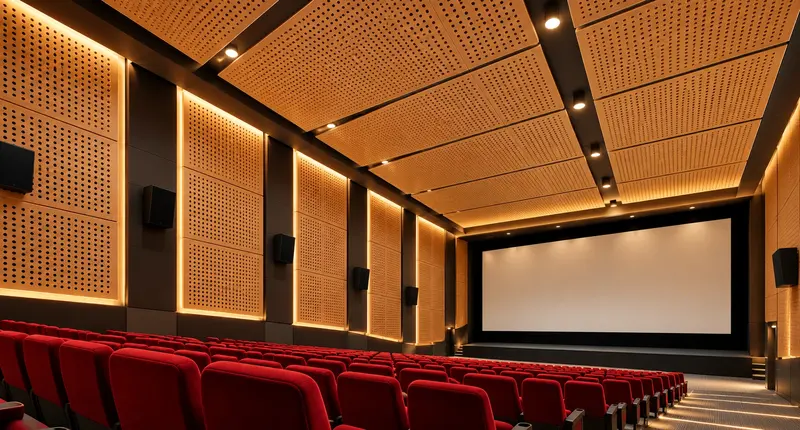
Perforated wooden panels combine functional sound absorption with a refined visual finish, making them ideal for lobbies, screen walls, and ceiling applications in multiplexes. As a category of wooden acoustic wall panels, they are available in various perforation patterns, from linear slots to circular micro holes, allowing designers to balance acoustic performance with branding and interior themes. These acoustic wood wall panels also offer durability and easy maintenance, which is valuable in high footfall commercial spaces like multiplexes.
How to Choose the Right Acoustic Panel Manufacturer for Cinema Projects?
Selecting an experienced acoustic panel manufacturer is critical since panel thickness, perforation ratio, and backing material directly affect NRC (Noise Reduction Coefficient) performance. A reliable perforated acoustic panel manufacturer will provide tested NRC values, fire safety certification, and customization for both walls and ceilings. For instance, Knauf Danoline’s Kinopanel, a wall lining designed specifically for cinemas, demonstrates how specialized perforation patterns can achieve NRC ratings up to 0.85 depending on installation depth and backing material (Knauf Danoline Kinopanel Datasheet). Working with an established acoustic panels manufacturer ensures the chosen solution matches the hall’s volume, seating layout, and sound system requirements. Packsound.in offers tailored guidance for such project-specific selections.
Project tip: Ask the manufacturer for tested acoustic performance, fire-rating documentation, recommended backing material, and wall/ceiling installation details before finalizing the panel specification.
Conclusion
Choosing the right acoustic solution is not optional for modern
cinema design, it is foundational to how audiences experience sound.
From
perforated wood acoustic panels
to
microperforated acoustic panels
,
each option serves a specific acoustic and aesthetic purpose.
Partnering with a knowledgeable
acoustic panel manufacturer
ensures these materials are specified correctly for a hall’s
unique dimensions and audio setup, resulting in theatres that
sound as good as they look.
Summary
Acoustic Panels for Cinema Halls & Multiplexes improve speech clarity, reduce echo, and support consistent sound quality across large auditoriums. Perforated acoustic panels, including wood, wooden, and microperforated variants, offer customizable absorption and diffusion suited to different hall designs. Selecting an experienced manufacturer, backed by tested NRC data, remains the key factor in achieving professional, long lasting cinema acoustics.
Frequently Asked Questions
Perforated acoustic panels for halls, cinemas and commercial spaces
Yes, they absorb reflected sound waves through their perforations and backing layer, significantly cutting reverberation and flutter echo in large spaces.
Most cinema applications perform well with panels rated between 0.70 and 0.85 NRC, depending on hall size and sound system design.
With proper backing, perforated wood panels can match fabric wrapped options in absorption while offering better durability and a premium finish.
Some microperforated designs absorb sound effectively without fleece backing, though adding insulation generally improves low frequency performance.
With proper installation and maintenance, quality panels can perform reliably for ten to fifteen years in commercial theatre environments.