
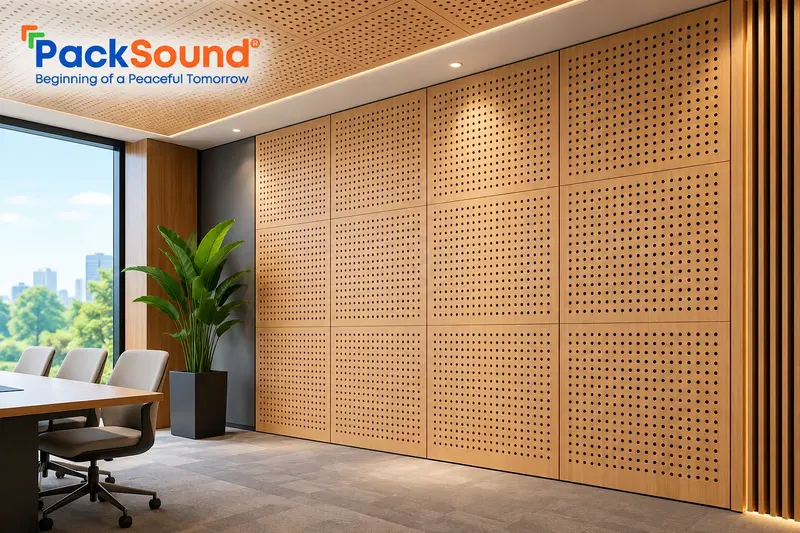
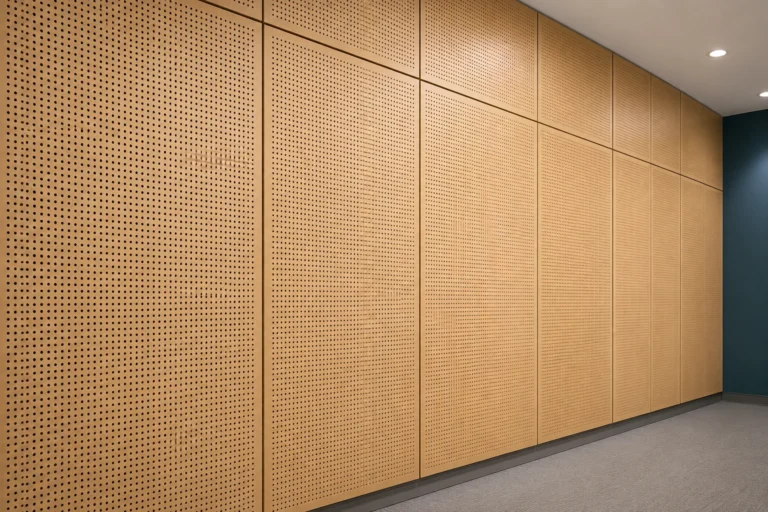
Perforated Acoustic Panels are engineered building materials designed to control echo, reverberation, and unwanted noise inside a room. Their surface is punched with evenly spaced holes that let sound waves pass through to an absorptive backing layer, where the energy is trapped instead of bouncing back into the space. Widely used across offices, auditoriums, studios, and homes, these panels combine measurable sound performance with a clean, architectural finish, making them one of the most requested acoustic treatments in interiors today.
What Are Perforated Acoustic Panels and How Do They Work?
They work on a simple principle: sound enters through small holes on the panel face and gets absorbed by a porous backing, such as mineral wool or polyester fiber, placed behind it. This reduces reflected sound and shortens reverberation time.
What Are the Different Types of Perforated Acoustic Wall Panels?
These wall panels come in several configurations to suit different acoustic and design goals:
- Standard panels with 6 mm, 8 mm, or 10 mm holes in square, staggered, or random patterns
- Perforated wooden panels finished with natural veneer for a warm look in offices and hospitality spaces
- Microperforated acoustic panels with sub-millimeter holes and no visible backing, suited to minimalist interiors
- Fire-retardant variants built for institutional buildings where safety compliance is mandatory
Each type balances open area ratio against structural strength, so the right choice depends on the frequency range that needs control.
Where Are Perforated Wood Acoustic Panels and Wooden Acoustic Wall Panels Used?
These are favored where sound control must coexist with visual warmth. Common applications include:
- Corporate offices and boardrooms needing speech clarity
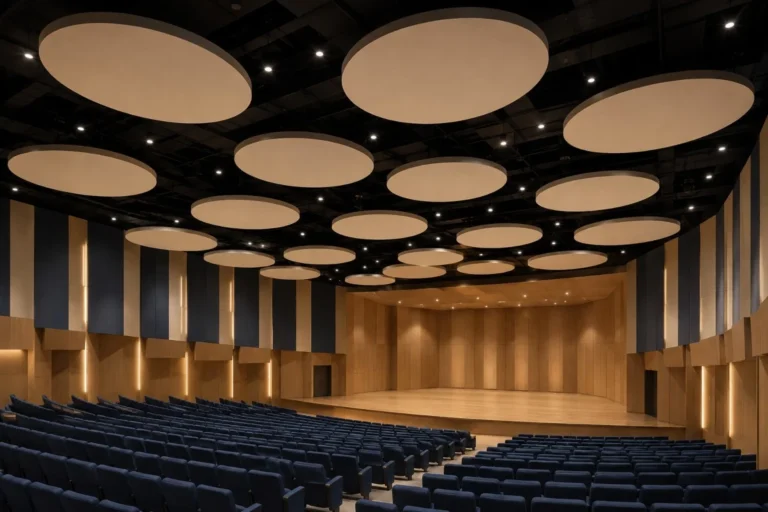
- Auditoriums, lecture halls, and libraries requiring controlled reverberation
- Hotels, restaurants, and lobbies where ambient noise affects guest comfort
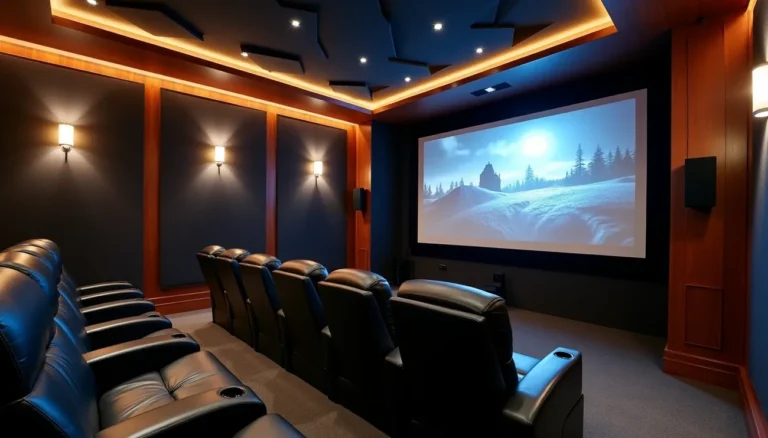
- Home theaters and living rooms seeking better listening experiences
- Recording studios and cinemas where sound quality is critical
Acoustic wood panels also serve ceiling installations, spreading absorption evenly and reducing flutter echo in tall spaces.
How Do Microperforated Acoustic Panels Differ from Standard Options?
Microperforated acoustic panels use holes smaller than one millimeter, often without fibrous backing, relying on resonance created by the perforations and an air cavity behind the panel. This makes them lighter and suited to hygiene-sensitive environments such as hospitals and labs. Standard perforated wall panels, by contrast, use larger holes with dense backing, offering stronger broadband absorption across mid and low frequencies. The choice often comes down to whether visual uniformity or absorption bandwidth matters more.
How to Choose a Perforated Acoustic Panel Manufacturer?
Selecting a reliable perforated acoustic panel manufacturer involves checking documented NRC ratings, fire-rating certifications, and low-emission board standards such as E1 grade. A dependable acoustic panel manufacturer should also offer customization in hole pattern, thickness, and finish, along with installation guidance covering framework spacing and air-gap placement. Reputed acoustic panels manufacturer teams typically support project-specific testing before installation begins. Packsound designs such panels for measurable NRC performance across commercial and residential projects in India.
Conclusion
Perforated Acoustic Panels remain one of the most reliable ways to manage echo and reverberation while keeping interiors visually polished. Whether the requirement is a fire-rated option for a public auditorium, a wooden wall panel for a corporate lobby, or a microperforated panel for a hospital corridor, the underlying goal stays the same: absorbing sound efficiently without compromising design. Understanding panel types, hole patterns, and backing materials helps decision-makers choose the right fit for their space and performance needs.
Frequently Asked Questions:
Do perforated acoustic panels actually reduce echo in a room?
Yes, they absorb sound through their perforations and backing layer, which noticeably shortens reverberation time and echo.
What hole size works best for perforated acoustic wall panels?
Smaller holes suit fine speech frequencies, while 8-10 mm holes offer broader absorption depending on the room’s dominant noise.
Are perforated wood acoustic panels good for home theaters?
Yes, they control mid-frequency reflections effectively, improving dialogue clarity and overall listening comfort.
Can perforated panels be installed without a professional?
Basic installation is possible with proper framework spacing, but professional fitting ensures correct air-gap placement for best results.
Is there a difference between perforated panels and grooved panels?
Perforated panels absorb sound more uniformly across frequencies, while grooved panels offer a more linear aesthetic.


One Comment