Summary: A sliding partition wall is a movable panel system that divides space using a track on the floor or ceiling. Adjusting space to your preference for splitting or joining rooms takes seconds. The ability to customize wall layouts makes sliding partition walls ideally suited for homes, offices, and the interior design of commercial spaces.
Intro: Imagine accordingly shaping a room to suit the occasion. Sliding partition walls accomplish this with full flexibility. Instead of fixed walls of brick or drywall, partition walls have sliding panels. Sliding panels allow wall layouts to be configurable to provide needed privacy or to turn walls fully open.
What Is a Sliding Partition Wall?
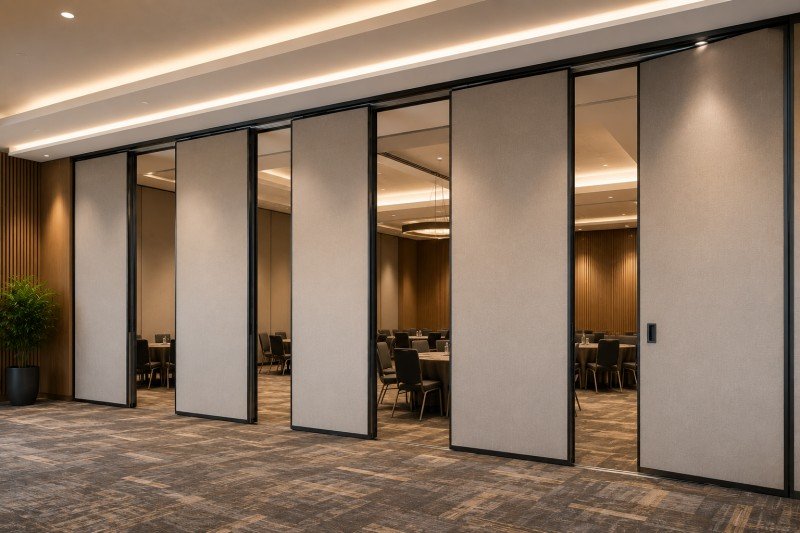
A sliding acoustic partition wall or sliding door partition wall is one or more panels suspended from a track at the top or guided along the floor. Unlike a fixed wall, a partition wall sliding system allows you to open or close it manually or use a motor to merge two rooms into one or use one room as two.
What Are the Common Types of Sliding Partition Walls?
- Sliding folding partitions movable walls: panels fold and stack compactly, ideal for banquet halls and classrooms.
- Glass sliding partitions: framed or frameless glass panels that preserve natural light.
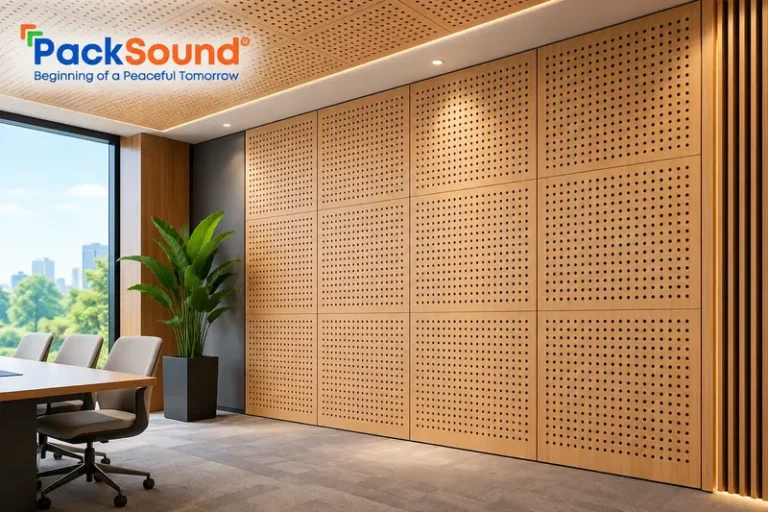
- Soundproof sliding folding wall partition: acoustic-rated panels for conference rooms and studios needing noise control.
- Track-hung wooden or laminate partitions: cost-effective options for homes and retail spaces.
Where Are Sliding Partition Walls Used?
Sliding partition walls for office settings are often used in meeting rooms and open-plan workspaces with flexible layouts. They also work well in hotels, restaurants, hospitals, schools, and even residential homes looking for multipurpose rooms with minimal disruption for construction.
What Are the Benefits of Sliding Partition Walls?
- Space flexibility: reconfigure rooms instantly for different needs.
- Acoustic control: soundproof models reduce noise transfer between zones.
- Cost efficiency: avoids the expense of permanent wall construction.
- Aesthetic appeal: available in glass, wood, and fabric finishes to match interiors.
- Quick installation: track systems fit most ceiling heights with minimal disruption.
Conclusion
A sliding partition wall is a smart balance of privacy, flexibility, and design for homes, offices, and commercial spaces. You can choose from soundproof folding panels to sleek glass systems depending on space, sound needs, and usage. For interiors that need to be flexible without permanent building works, this is still one of the best options available, and Packsound.in helps companies figure out the best movable wall for their space.
Frequently Asked Questions:
1. How much does a sliding partition wall cost?
Pricing varies by material and size, typically ranging from budget wooden panels to premium acoustic glass systems. Get a quote based on room dimensions and soundproofing needs.
2. Can sliding partition walls block sound effectively?
A soundproof sliding folding wall partition with proper acoustic seals can significantly reduce noise transfer. Sound ratings depend on panel thickness and seal quality.
3. Are sliding partition walls suitable for small apartments?
Yes, they work well in compact homes to separate bedrooms, home offices, or living areas. Compact track systems save floor space compared to swinging doors.
4. Do sliding partition walls need professional installation?
Most systems require accurate track alignment, so professional installation is recommended. DIY kits exist but may compromise durability and smooth operation.
5. What is the difference between a sliding and folding partition wall?
A sliding partition wall moves along a single track, while folding partitions concertina into a stack. Folding types suit wider openings needing full clearance.