What Is Speech Intelligibility in Auditorium Acoustics and Why Does It Matter in 2026?
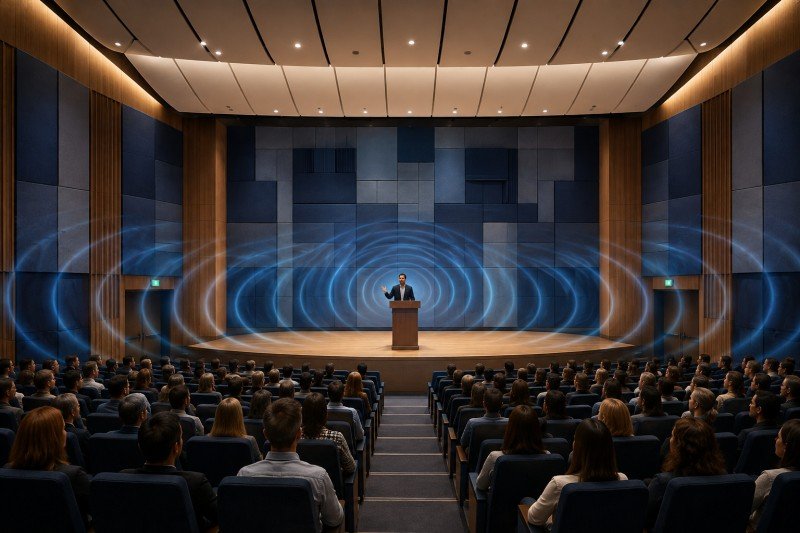
Speech intelligibility in auditorium spaces determines whether a listener in the back row hears “sixteen” or “sixty.” It is measured through the Speech Transmission Index (STI), a scale from 0 to 1 that predicts how clearly spoken words are understood after passing through a room’s acoustics.
Why Does Auditorium Acoustics Affect How We Hear Speech?
Auditorium acoustics panels govern how sound waves reflect, absorb, and decay inside a room. Hard surfaces like concrete, glass, and plaster bounce sound repeatedly, stretching reverberation time and smearing consonants together before they reach the listener.
What Is the Importance of Speech Intelligibility in Public Spaces?
The importance of speech intelligibility goes beyond comfort. In classrooms, courtrooms, and conference halls, poor clarity forces repeated instructions, causes miscommunication, and fatigues listeners. Studies on classroom acoustics consistently link low STI scores to reduced comprehension and attention.
How Are Speech Intelligibility Measurements in Auditorium Spaces Conducted?
Speech intelligibility measurements in auditorium settings use calibrated test signals and microphones positioned across the seating area, following IEC 60268-16, the internationally recognised standard for STI measurement. Readings below 0.5 typically indicate poor clarity, while scores above 0.75 are considered excellent.
What Acoustic Treatment for Auditoriums Actually Fixes the Problem?
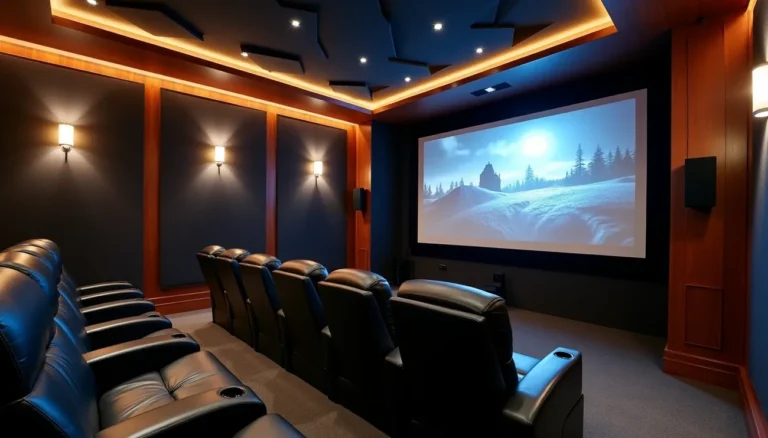
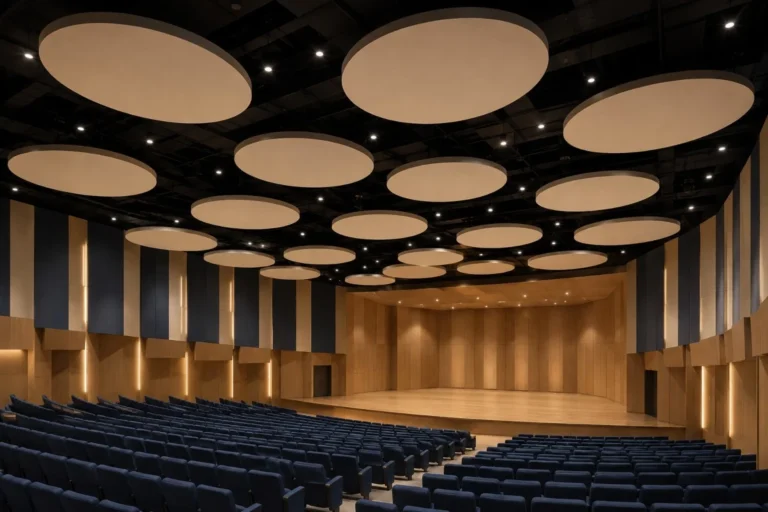
Effective auditorium acoustics treatment combines absorption panels on side walls, diffusers on rear surfaces, and ceiling clouds to break up reflections. Fabric-wrapped panels absorb mid and high frequencies where speech energy is concentrated, directly raising STI values without deadening the room’s musicality.
How Do Auditorium Acoustics and Sound Design Work Together for Better Clarity?
Auditorium acoustics and sound design must be planned jointly. A well-placed speaker system cannot compensate for excessive reverberation, and acoustic panels alone cannot fix poor speaker coverage. Firms like Packsound.in approach this as a combined exercise, pairing panel placement with sound system calibration for consistent clarity across every seat.
Conclusion
Speech intelligibility in auditorium design ultimately depends on managing reverberation, reflections, and background noise together. Once measured accurately and treated with the right materials, most auditoriums can move from muddled to clear without a full renovation.
Frequently Asked Questions:
1. Why does my auditorium sound muffled even with good speakers?
Speakers cannot fix long reverberation times; the room itself needs absorption to control echo.
Q2: What STI score is acceptable for a lecture hall?
An STI above 0.6 is generally considered good for verbal communication in classrooms and halls.
Q3: Do carpets alone improve speech clarity?
Carpets help with floor reflections but rarely address mid-frequency speech energy on walls and ceilings.
Q4: How much acoustic panel coverage does a hall need?
Coverage varies by room volume and existing reverberation time, typically requiring 15-30% of wall or ceiling area.
Q5: Can acoustic treatment be added after construction?
Yes, retrofitting panels, clouds, and diffusers is common and effective in existing auditoriums.