Superior Acoustic Sound Control.
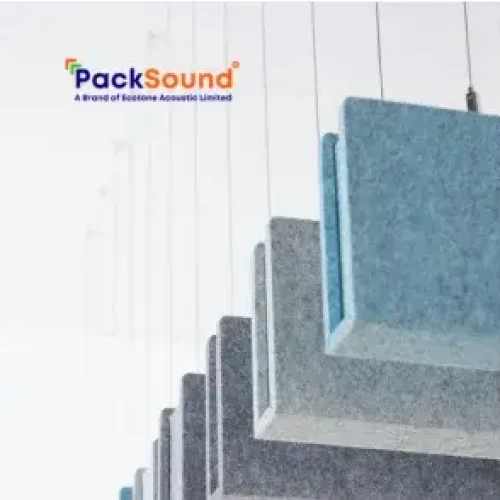
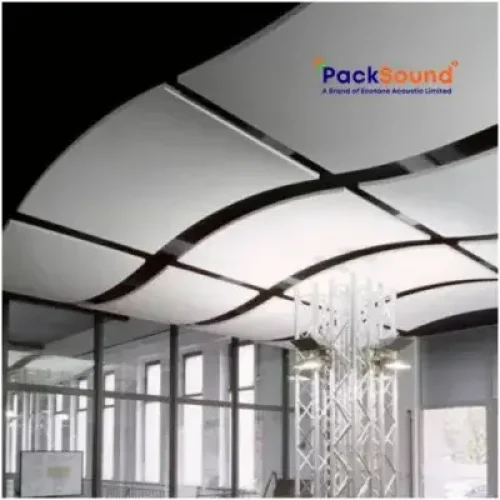
PackSound Acoustic Ceiling Panels
Does your space suffer from excessive noise, distracting echoes, or poor sound quality? Acoustic ceiling panels work as a solution to these common audio challenges. These specially designed panels absorb and dampen sound waves to substantially reduce noise, echo, and reverberation in any environment.
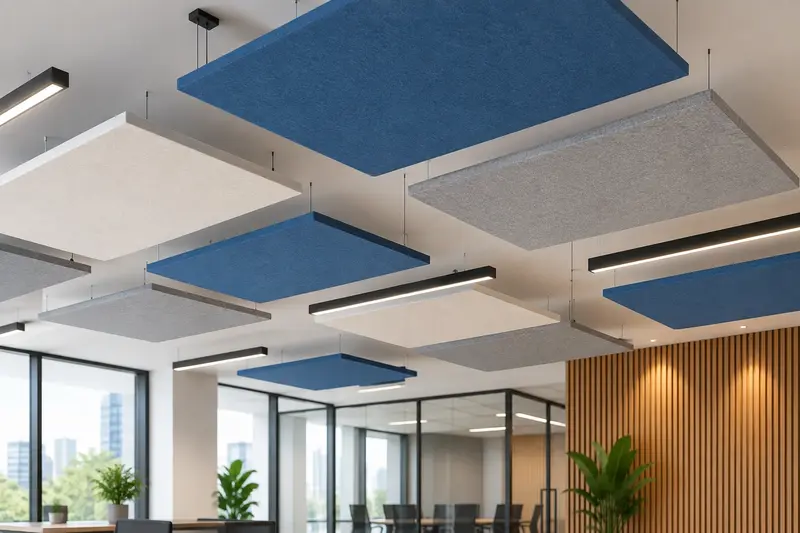
Acoustic ceiling tiles manage unwanted sound and boost speech clarity by controlling sound reflections. Acoustical ceiling systems help create good working environments that boost people’s well-being and performance in offices, educational institutions, healthcare facilities, and homes. Modern acoustic panels for ceiling installation now come in designs and materials of all types, which makes them both functional and visually appealing.
PackSound masters the science of creating optimal sound environments. Our acoustic panel ceiling products combine superior noise reduction with environmentally responsible materials. We share the same dedication as industry leaders like Ecophon to develop acoustic false ceiling solutions using the lowest emission products and production methods.
What Are Acoustic Ceiling Panels and How Do They Work?
Acoustic ceiling panels serve as specialized sound management systems that control and boost the acoustic quality of indoor environments. These panels work through sound absorption rather than just blocking sound transmission between spaces.
Sound waves create three key reactions when they hit an acoustic ceiling tile. The surface reflects some sound energy while allowing another portion to pass through. The most important reaction for noise control happens when sound energy enters the material and gets absorbed. Acoustic panels ceiling products contain porous structures that create friction as sound waves move through them.
Acoustical ceiling tiles transform sound energy into heat through microscopic friction. Sound waves enter porous materials like mineral wool, fiberglass, foam, or polyester fiber. Air particles move through tiny gaps between fibers and their kinetic energy turns into heat. The panels’ density, thickness, and surface texture directly influence how well they work.
The Noise Reduction Coefficient (NRC) measures sound absorption performance on a scale of 0 to 1. Quality acoustic ceiling panels achieve NRC ratings between 0.70 and 0.95. A higher NRC value means better sound absorption. Different frequencies need different treatments – low-frequency sounds with long wavelengths need thicker or denser structures. High-frequency sounds are easier to manage with thinner materials.
Installing acoustic ceilings in a space brings these benefits:
- Reduced reverberation and echo
- Improved speech clarity and intelligibility
- Decreased overall noise levels
- Enhanced comfort for occupants
- Better concentration and productivity
Material thickness and frequency have a vital relationship that guides panel selection. Your space’s specific sound challenges should determine which acoustic tiles for ceiling you install. A room with low-frequency noise from ventilation systems needs different acoustic ceiling design solutions than one focused on speech clarity.
Acoustic false ceiling systems deliver the best results when placed right above sound sources. This strategic placement lets them absorb reflections before sound waves spread throughout the room. Sound waves can’t bounce across the space repeatedly, which creates a more comfortable acoustic environment.
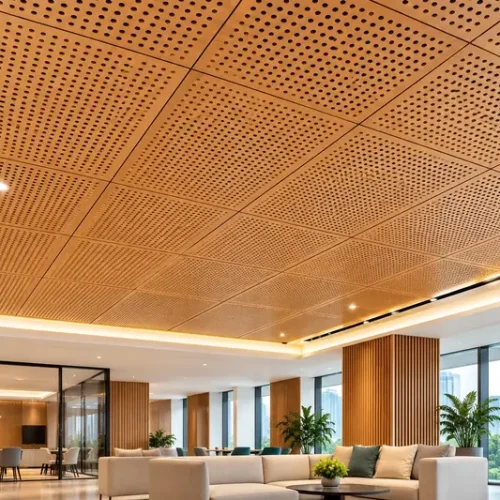
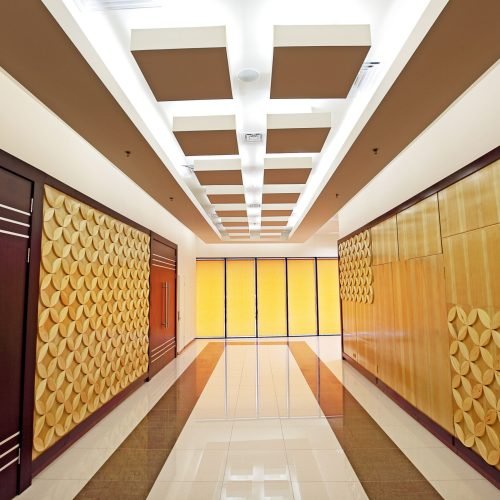
Regular ceiling tiles mainly look decorative, but acoustic panels for ceiling installation tackle sound management needs while looking great. These panels blend function with design as key components in modern architectural and interior design.
PackSound Acoustic Ceiling Panels: Product Overview
PackSound’s complete range of acoustic ceiling panels combines advanced materials with versatile design options that work in a variety of acoustic environments. Our product line balances functional performance with esthetic appeal to give you solutions that look great and work well.
Material Options: Fiberglass, Gypsum, PET, and More
PackSound’s acoustic ceiling tiles come in several high-performance materials:
- Fiberglass Panels: These lightweight panels are perfect for offices, classrooms, and auditoriums because of their excellent sound absorption properties.
- Gypsum Panels: Safety meets sound control with these panels. They resist fire and deliver great acoustic performance.
- PET Panels: Our eco-friendly PET panels use recycled plastic bottles (minimum 60% post-consumer content) and deliver impressive sound absorption.
- Metal Panels: These durable panels use galvanized steel or aluminum with micro- or macro-perforations. Their acoustic fleece backing helps achieve NRC ratings up to 0.85.
Each material brings unique benefits that let us create customized acoustic ceiling design solutions for your space.
Standard Sizes and Thicknesses
Our acoustical ceiling products adapt to your installation needs with multiple size options:
The standard sizes include 595x595mm, 600x600mm, 600x1200mm, 1200x1200mm, and larger formats like 1800x1800mm. Panel thickness ranges from 12mm to 24mm to suit both lightweight and reliable applications. Thicker panels work better for low-frequency sound absorption, which affects both physical properties and acoustic performance.
Design Variants: Perforated, Fabric-Wrapped, and Plain
Our acoustic panels ceiling line features three main design options:
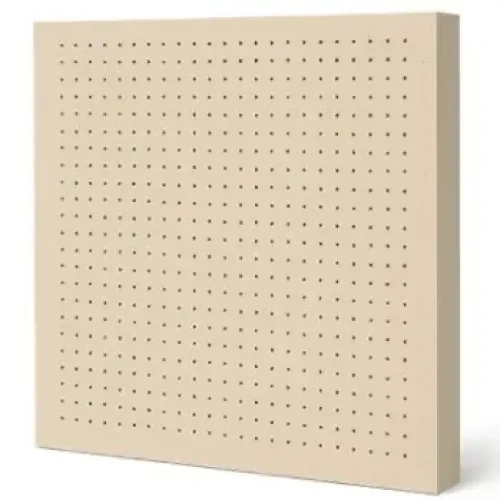
The perforated panels use precision-engineered micro-perforations (0.5-1.2mm) that let sound pass through to the acoustic backing material. Fabric-wrapped panels blend high-performance cores with acoustically transparent fabrics. Architects and consultants can choose from various colors, and these panels achieve minimum NRC values of 0.90. Plain panels offer a clean, minimalist look while managing sound effectively.
Certifications and Fire Ratings
Fire safety is a vital part of choosing ceiling systems. PackSound’s acoustic ceiling panels meet the highest safety standards:
Our products have earned Class A fire ratings under ASTM E1264 standards. They maintain flame spread ratings below 25 and smoke developed classifications under 450. The panels also pass VOC emissions tests to meet environmental safety requirements. These certifications make our acoustical ceilings ideal for commercial spaces where building codes require strict fire safety compliance.
Types of Acoustic Ceiling Panels Available
The market has many acoustic ceiling panels that fit different needs, budgets, and priorities. Each type brings its own performance features that work best in specific environments and acoustic setups.
Types of Acoustic Ceiling Panels Available
Knowing the material differences helps you pick the right acoustical ceiling tiles. Sound absorption is key, but other factors like durability, fire resistance, moisture resistance, and design flexibility help determine the best panel for your space. The perfect panel balances acoustic performance with practical needs such as budget and installation requirements.
Fabric-Wrapped Panels: Style Meets Function
Fabric-wrapped acoustic panels for ceiling blend great performance with style options. These panels use a high-density fiberglass or foam core wrapped in sound-transparent fabric. They do an excellent job absorbing unwanted sound with NRC ratings up to 1.0.
Fabric-wrapped acoustic ceiling panels stand out because they:
- Let you customize looks with different fabric colors and textures
- Deliver top-notch acoustic performance (usually NRC 0.90 or higher)
- Resist impacts and stay rigid
- Handle temperature and humidity changes well
These panels shine in conference rooms, offices, restaurants, and creative spaces where sound quality and looks are equally important.
Metal Panels: Durable and Modern
Metal acoustic ceiling tiles combine lasting strength with modern style. Built from aluminum or galvanized steel with tiny holes, these panels let sound pass through to the acoustic backing. They reach NRC ratings of 0.80 while staying incredibly durable.
Metal acoustical ceilings naturally repel water, resist soil, and avoid scratches. You can wash them easily, making them perfect for spaces that need frequent cleaning. They also use up to 85% recycled materials, making them an eco-friendly choice.
Mineral Fiber and PET Panels: Budget-Friendly Options
Mineral fiber acoustic panels ceiling products give you balanced performance at reasonable prices. With NRC ratings up to 0.90 and CAC ratings up to 40, they work great in spaces needing both sound absorption and blocking. Schools, healthcare facilities, and commercial offices benefit from these panels.
PET acoustic ceiling panels come from recycled plastic bottles and offer an earth-friendly option. These panels contain about 60% post-consumer recycled content and achieve impressive NRC ratings between 0.70-0.95. They resist moisture, fire, insects, and bacteria naturally. Your ceiling becomes a quiet, vibrant surface while supporting green initiatives.
Performance Features That Set PackSound Apart
PackSound’s acoustic ceiling panels excel beyond simple noise control with exceptional performance metrics that meet diverse facility requirements. This 10-year-old leader in acoustic solutions creates products that exceed customer expectations.
Noise Reduction Coefficient (NRC) Ratings
NRC values measure how well acoustic ceiling tiles work. PackSound panels achieve impressive ratings up to 0.9, which makes them excellent at controlling echo, speech interference, and unwanted noise. The panels absorb up to 90% of sound energy instead of reflecting it back into the space.
PackSound offers these high-performance acoustical ceiling options when maximum sound control matters:
- Fiberglass panels deliver the highest NRC values (0.95+), ideal for studios and conference rooms
- PET panels provide excellent mid-range absorption (NRC 0.70-0.95) with added sustainability benefits
Durability and Moisture Resistance
PackSound acoustic ceiling panels are lightweight yet incredibly durable. The acoustic ceiling tiles maintain their performance for 10-25 years with proper maintenance and resist warping, sagging, and discoloration.
The panels handle moisture exceptionally well. Some panels use non-organic materials that prevent mold growth, which protects building materials and occupant health. This makes PackSound acoustic ceiling design solutions perfect for humid environments and spaces that need frequent cleaning.
Thermal Insulation and Fire Safety
PackSound’s acoustic false ceiling systems serve double duty as thermal insulators. Select panels achieve R-values up to 13.6, which helps maintain stable interior temperatures by minimizing heat transfer. Building owners save money on energy costs throughout the system’s life.
Safety comes first in ceiling system design. PackSound acoustical ceilings meet Class A fire ratings under ASTM E1264 standards. Their patented expansion relief technology helps panels resist structural failure and maintain ceiling integrity during fires.
Eco-Friendly and Low-Emission Materials
PackSound manufactures acoustic panels ceiling products with environmental responsibility in mind. Their products feature:
- High recycled content (up to 71% in select panels)
- Low VOC emissions that surpass EU requirements for formaldehyde
- Sustainable materials that can be recycled indefinitely
These green acoustic ceiling panels help maintain good indoor air quality while supporting sustainable building practices. Many PackSound products can help builders earn LEED credits and other sustainability certifications.
Real-World Applications of PackSound Panels
The true value of acoustic ceiling panels shines through their practical use in a variety of environments. PackSound’s solutions tackle specific sound challenges unique to each setting. These solutions deliver clear improvements in sound quality and make spaces more comfortable for people using them.
Corporate Offices and Conference Rooms
Good acoustics play a vital role in today’s workplace. They directly affect how well people work and communicate. Acoustic ceiling tiles in open offices cut down noise levels by up to 40%, which makes employees happier at work. PackSound’s acoustic ceiling panels make speech clearer in conference rooms by reducing echo. Every word spoken during meetings comes through crystal clear. This matters even more now that modern conference rooms use lots of audio-visual tech, where background noise can really hurt meeting quality.
Educational Spaces: Schools and Universities
Students learn better in rooms with good acoustics. Research shows they develop stronger language skills and understand more. PackSound’s acoustical ceiling solutions create ideal learning spaces where teachers and students spend up to 60% of class time talking to each other. Teachers benefit too – acoustic ceiling design means they don’t strain their voices or need to repeat themselves because of poor room acoustics.
Healthcare: Hospitals and Clinics
Room acoustics can speed up patient recovery substantially. Studies reveal patients in sound-treated rooms recover 15% faster and need 22% less medication. Acoustic panels ceiling installations help hospitals stay within the World Health Organization’s recommended noise range of 30-40 dB(A) for patient rooms. PackSound’s moisture-resistant acoustic ceiling options meet strict medical hygiene standards without compromising sound control.
Residential: Home Theaters and Studios
Acoustic ceiling tiles turn regular rooms into amazing sound spaces for home entertainment. Well-placed acoustic panels for ceiling get rid of unwanted echoes and create clearer sound for music and dialog. Home theater fans love how acoustic false ceiling materials at key points make sound clearer by stopping sound waves from bouncing around. PackSound creates custom solutions that look great and sound perfect, turning homes into professional-quality listening spaces.
Installation Process and Compatibility
Installing acoustic ceiling panels needs proper planning and a good understanding of your ceiling structure. Your ceiling type and personal skills will determine the best approach. With the right guidance, you can get professional-quality results.
Grid Ceiling and False Ceiling Compatibility
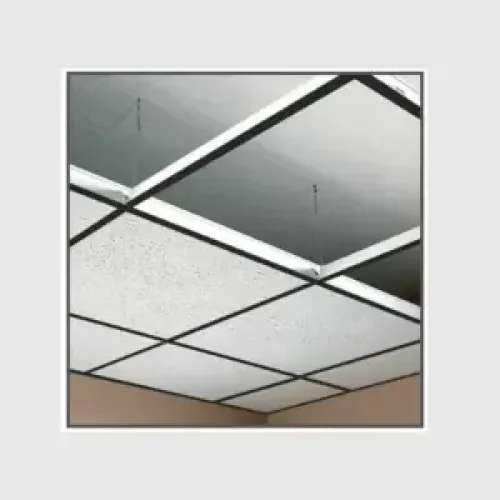
Acoustic ceiling tiles blend easily with standard T-grid systems. This makes them perfect for new installations and renovations. Most acoustic panels ceiling products fit both T15 and T24 grid systems without issues. The installation starts with wall angles fixed at your desired height. Main runners get suspended with galvanized binding wire, and cross tees create the grid. This framework makes 600×600mm or 600×1200mm openings where acoustical ceiling panels drop right in.
You can mount acoustic ceiling panels directly on drywall or concrete ceilings using the right anchors and mounting hardware that match the panel’s weight. Z-clips are a quick way to mount directly and let you remove panels when needed.
DIY vs Professional Installation
Setting up acoustic tiles for ceiling can be a DIY project with simple tools and planning. The choice between doing it yourself or hiring professionals depends on several things.
DIY installation works well for smaller spaces or simple setups if you have:
- Simple measurement and cutting skills
- Access to proper safety equipment
- Adequate ceiling access tools (ladder/support)
Professional installation makes more sense for large commercial spaces, complex setups, or precise acoustical adjustments. A professional team will give you optimal placement, proper weight distribution, and meet building codes. Doing it yourself might seem cheaper at first, but professionals finish installations faster.
Installation Time and Tools Required
The time to install acoustic ceiling design systems varies by a lot. A typical 2,000 square feet office space takes 2-3 days for suspended grid installation. Experienced installers can finish a drop ceiling with tiles in a couple of days. First-time DIY installers might need about a week.
You’ll need these tools for acoustic false ceiling installation:
- Laser level or string line to mark heights
- Utility knife to cut ceiling tiles
- Tape measure and drill with proper bits
- Aviation snips for metal grid components
- Safety equipment including gloves and goggles
Your acoustical ceilings installation’s complexity affects time and tool requirements. Direct-mount installations need fewer special tools than suspended systems. They need more precise layout and anchoring work.
Pricing and Value for Money
Understanding acoustic ceiling panels costs and their long-term value helps you make smart investment decisions. Your budget plays a vital role when you select the right solution.
Price Range by Material and Size
Acoustical ceiling tiles prices vary based on materials and dimensions:
- Gypsum panels cost ₹73-195 per piece for standard 600×600mm sizes
- Mineral fiber acoustic ceiling tiles cost ₹55-125 per square foot
- Metal ceiling options start at ₹90 per square foot for simple finishes
- Premium acoustic panels ceiling products such as Nankarrow Orion™ cost about ₹8,553 for high-performance sets
PVC panels are the most economical choice at ₹50-70 per square foot. Fabric-wrapped panels start higher at ₹400 per square foot.
Cost per Square Foot vs Performance
Price and performance show clear patterns in acoustic ceiling materials:
Simple acoustic false ceiling products with NRC ratings under 0.60 cost ₹55-75 per square foot. Mid-range acoustical ceilings with NRC values of 0.70-0.85 range from ₹75-200 per square foot. High-performance acoustic ceiling panels that exceed 0.85 NRC ratings begin at ₹220 per square foot.
Bulk Purchase and Custom Orders
PackSound reduces costs through volume-based pricing for large projects. Custom-sized acoustic panels for ceiling installation cost 10-15% more than standard sizes. Orders above 500 square meters qualify for special pricing.
Warranty and After-Sales Support
PackSound backs their acoustic ceiling products with solid warranty coverage. Most acoustic ceiling design solutions include 10-year limited warranties against manufacturing defects. The coverage protects you from visible sag, warping, shrinking, buckling, and delamination.
Warranty doesn’t cover damage from vibrations, fire, water, freezing temperatures, accidents, or extreme conditions. You must report defects to manufacturers within 30 days of finding them. Premium acoustic ceiling panels often come with 30-year warranties against specific issues like red rust in suspension systems.
Key Benefits of Using Acoustic Ceiling Tiles
The detailed benefits of acoustic ceiling panels go way beyond simple noise control and reshape the scene of any interior space.
Quality acoustic ceiling tiles can absorb up to 80% of sound waves instead of reflecting them. This absorption substantially reduces noise pollution and makes speech clearer in conference rooms and classrooms by cutting down reverberations. Studies show excessive noise can reduce productivity by 66%, so proper acoustical ceiling installation improves focus and work output.
Acoustic panels ceiling products are a great way to get impressive energy savings. These panels work as thermal insulation to maintain optimal indoor temperatures and cut heating and cooling costs. Most acoustical ceilings contain fire-resistant materials that slow down flame spread and give people valuable time to evacuate during emergencies.
Acoustic ceiling panels do more than just improve sound quality – they help create healthier indoor spaces. Natural material panels can trap pollutants and allergens to improve air quality. As with moisture-resistant acoustic panels for ceiling installation, they stop mold from growing in humid environments.
Lower noise levels reduce cortisol production, which creates calmer and less stressful environments. These multiple advantages make acoustic ceiling tiles a smart investment for spaces where comfort and functionality matter most.
PackSound vs Other Acoustic Ceiling Tile Brands
A clear understanding of the differences between leading brands helps you choose the right acoustic ceiling panels. PackSound competes with industry leaders like Armstrong and Ecophon, and each brand brings its unique approach to acoustic solutions.
Comparison with Armstrong and Ecophon
Armstrong’s extensive range of acoustic ceiling tiles includes everything from budget-friendly Fine Fissured panels to high-end Optima and Ultima systems. Their Total Acoustics technology creates the perfect balance between sound absorption and blocking, making it ideal for multipurpose spaces. Ecophon (part of Saint-Gobain) puts significant resources into research and development. The company updates its products with innovative acoustic technology regularly. PackSound has built its reputation through customer-focused solutions and excellent sound control products over the past decade.
Design and Material Differences
Armstrong’s acoustical ceiling products come in various sizes including 2’x2′, 2’x4′, and larger formats. Their finishes range from stucco to wood-look panels. Ecophon makes sustainability the cornerstone of their acoustic panels ceiling options. In spite of that, PackSound’s diverse portfolio sets it apart. The company offers acoustic wall panels, ceiling baffles, diffusers, and perforated sheets that come in multiple colors, textures, and finishes.
Performance and Price Standards
Armstrong’s acoustic ceiling options reach NRC values up to 0.90 and CAC ratings as high as 42. Ecophon’s acoustic panels for ceiling installation excel in spaces that need significant acoustic improvements. PackSound has managed to keep customer satisfaction ratings above 4.8/5. The company’s acoustic panel ceiling products deliver high NRC values consistently.
Bottom Line:
Sound quality substantially affects our daily lives at work, school, home, and healthcare facilities. Acoustic ceiling panels provide a practical solution to noise problems and improve any space’s visual appeal. These specialized panels absorb sound waves instead of reflecting them. This transforms noisy environments into comfortable, productive spaces.
PackSound leads the market with superior acoustic ceiling tiles that blend exceptional performance with design versatility. Their detailed product range has fiberglass, gypsum, PET, and metal panels—each engineered for specific acoustic challenges. Their products also achieve high NRC ratings up to 0.9, absorbing up to 90% of sound energy that hits their surface.
Acoustical ceiling solutions work well in many settings. Offices get reduced noise levels and clearer communication. Students focus better without distractions in educational facilities. Healthcare settings help patients recover faster through quiet surroundings. Even homes transform into immersive audio spaces through smart placement of acoustic panels for ceiling installation.
PackSound’s acoustic ceiling panels deliver benefits beyond noise reduction. These include thermal insulation, moisture resistance, fire safety, and eco-friendly materials. Such multiple advantages make them a smart investment for spaces that need both function and comfort.
The installation remains flexible enough for DIY enthusiasts and professional contractors based on project scope. Prices vary by material and performance needs. Yet the long-term value these acoustic panel ceiling products deliver through better acoustics, energy savings, and improved well-being is worth the investment.
PackSound’s steadfast dedication to quality, sustainability, and customer satisfaction ranks them among prominent industry names like Armstrong and Ecophon. Their work on groundbreaking acoustic false ceiling solutions shows they understand how proper acoustics change people’s experience within spaces.
Acoustic ceiling design does more than control noise—it creates spaces where people think clearly, communicate well, and feel at ease. The ceiling’s design substantially influences life quality in the space below, making it crucial for your next building or renovation project.
Acoustic Ceiling Panels FAQs
Q1. What are acoustic ceiling panels and how do they work?
Acoustic ceiling panels are specialized sound management systems designed to absorb sound waves and improve the acoustic quality of indoor spaces. They work by transforming sound energy into heat through microscopic friction as sound waves pass through their porous structure.
Q2. What types of acoustic ceiling panels are available?
There are several types of acoustic ceiling panels available, including fabric-wrapped panels, metal panels, mineral fiber panels, and PET panels. Each type offers unique performance characteristics suited to different environments and acoustic requirements.
Q3. How effective are acoustic ceiling panels in reducing noise?
High-quality acoustic ceiling panels can be very effective, with Noise Reduction Coefficient (NRC) ratings between 0.70 and 0.95. This means they can absorb up to 95% of sound energy, significantly reducing echo, reverberation, and overall noise levels in a space.
Q4. Are acoustic ceiling panels suitable for DIY installation?
While it’s possible to install acoustic ceiling panels as a DIY project for smaller spaces or basic setups, professional installation is recommended for large commercial spaces, complex configurations, or when precise acoustical adjustments are needed.
Q5. What are the benefits of using acoustic ceiling panels beyond noise reduction?
In addition to noise reduction, acoustic ceiling panels offer benefits such as improved speech clarity, enhanced thermal insulation, fire resistance, moisture resistance, and potential improvements to indoor air quality. They can also contribute to energy savings and create more comfortable, productive environments.