
Expert Building Acoustics Simulation Services India | PackSound
PackSound delivers professional Building Acoustics Simulation services for architects, developers, and institutions across India. Before a single panel is installed, our acoustic sound panels engineers model your space using validated simulation software to predict reverberation time, sound transmission, and noise levels with measurable accuracy. This is not guesswork. It is engineering grounded in IS 4954 and NBC 2016 standards, refined through 150+ delivered projects across auditoriums, studios, offices, and cinema halls.
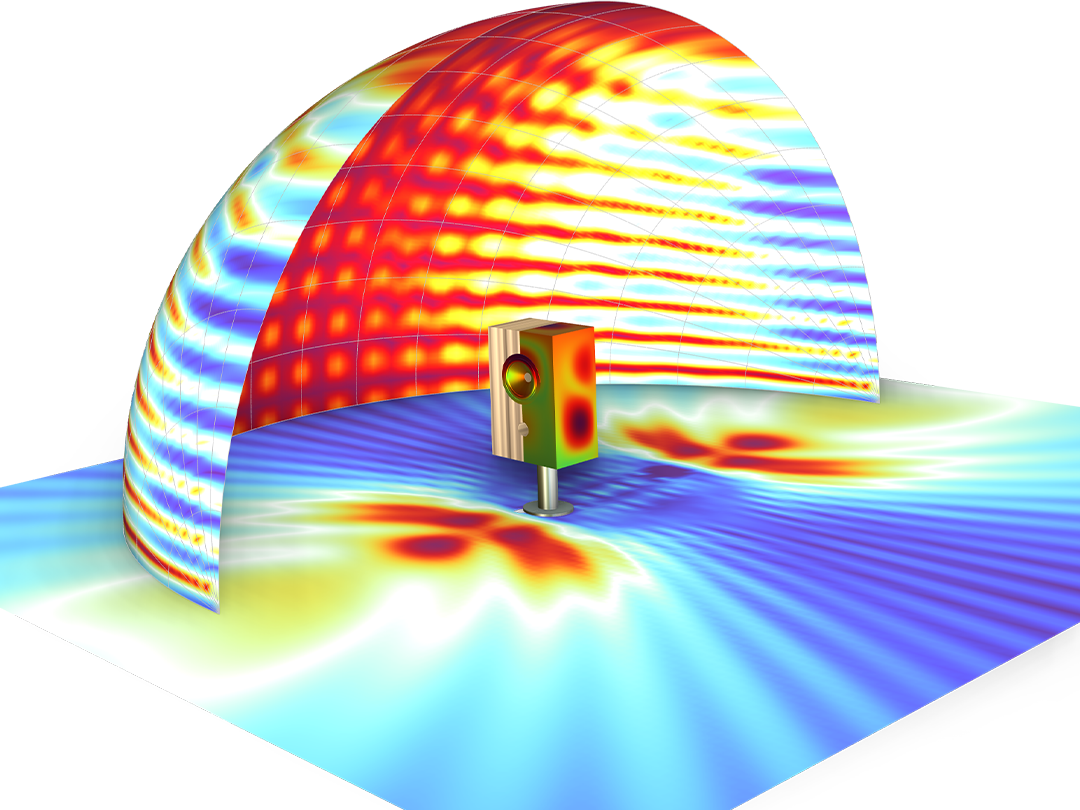
What Our Building Services Acoustics Process Covers
Our building services acoustics workflow begins with a site audit, followed by 3D acoustic modeling, RT60 and NRC prediction, and a written report comparing untreated versus treated outcomes. We simulate HVAC noise, speech intelligibility, and low-frequency behavior, not just average decay times, because rooms that pass on paper often fail on listening.
| Parameter | Detail |
|---|---|
| Simulation Standards | IS 4954, NBC 2016, ISO 3382 referenced |
| Key Metrics Modeled | RT60, NRC, STC, Speech Intelligibility |
| Software Used | Odeon, EASE, CATT-Acoustic class tools |
| Report Format | 3D model, charts, written recommendation |
| Turnaround Time | 5 to 10 working days |
| Coverage | Pan-India, major metro cities included |
| Output Accuracy | Calibrated using real installed project data |
| Key Benefits of Acoustic Simulation Services |
|---|
| Prevents costly post-construction acoustic corrections |
| Identifies problem frequencies before treatment begins |
| Supports code compliance from design stage |
| Enables informed material and budget decisions |
| Provides measurable before-and-after performance data |
| Reduces project risk for architects and developers |
| Improves speech clarity and occupant comfort outcomes |
| Applications |
|---|
| Auditoriums and Performance Halls |
| Corporate Offices and Conference Rooms |
| Recording and Podcast Studios |
| Multiplex Cinema Halls |
| Schools and Educational Institutions |
| Hospitals and Healthcare Facilities |
| Hospitality and Hotel Interiors |
Acoustic Simulation Process
| Step | Process |
|---|---|
| 01 | Site audit and architectural drawing review |
| 02 | 3D acoustic model creation and input |
| 03 | RT60, NRC, STC simulation run |
| 04 | Treated versus untreated comparison report |
| 05 | Material and design recommendation finalized |
| 06 | Certified product supply and installation |
| 07 | Post-installation acoustic measurement verification |
| Myth | Reality |
|---|---|
| Simulation guarantees perfect real-world sound | Site conditions and construction quality still affect final results |
| More software features mean better accuracy | Skilled calibration matters more than software complexity |
| Simulation replaces on-site testing entirely | Post-installation measurement remains essential for verification |
| All rooms need the same RT60 target | Target RT60 depends entirely on room use and purpose |
Why Choose Professional Building Acoustics Services from PackSound
Our Professional Building Acoustics Services combine certified lab-tested materials, in-house simulation expertise, and end-to-end installation across Delhi NCR, Mumbai, Bengaluru, Hyderabad, Chennai, and Pune. You get a single accountable team from prediction to performance, with full technical documentation and test certificates included.
Request a free site assessment and simulation report for your project today.
Also Check – Speech Transmission Index (STI)
AcoFascia™ Sliding & Folding Acoustic Partition FAQ
Yes, when calibrated with verified material data and real site measurements, not generic software defaults alone.
Costs vary by room size and complexity. Request a free assessment for an accurate project quote.
Partly. RT60 averages help, but frequency-specific modeling and auralization give truer perceived-sound predictions.
Often unnecessary for small rooms; basic treatment guidelines usually suffice unless professional recording is planned.
Industry tools like Odeon, EASE, and CATT-Acoustic, paired with on-site verification and engineering judgment.
Typically 5 to 10 working days, depending on space complexity and architectural drawing availability.
Yes, retrofit projects benefit greatly since simulation identifies exact problem frequencies before treatment selection.
Yes, it includes HVAC, plumbing, and structural noise control, beyond wall and ceiling treatment alone.