
table of contents
- 1. Improves Focus and Productivity
- 2. Enhances Privacy
- 3. Reduces Stress and Promotes Relaxation
- 4. Improves Audio Quality for Recording or Entertainment
- 5. Increases Property Value
- 1. EchoStop – Acoustic Panels for Walls
- 2. PerfoAudile – Acoustic Tiles for Ceilings
- 3. AuraLuxe – 3D Ultra Luxury Acoustic Panels
- 4. AcoFascia – Modern Acoustic Partitions
- 5. SonicGuard – Wooden Acoustic & Fire Doors
- 6. ThinkPod – Acoustic & Soundproof Booths
- 7. PackSound – Sound Damping Sheets
- 8. AquaSonic – Marine Acoustic Panels
- 1. Sealing Gaps and Cracks
- 2. Installing Double-Glazed Windows
- 3. Adding Door Sweeps and Acoustic Weatherstripping
- 4. Enhancing Wall and Floor Mass (Optional Advanced Tip)
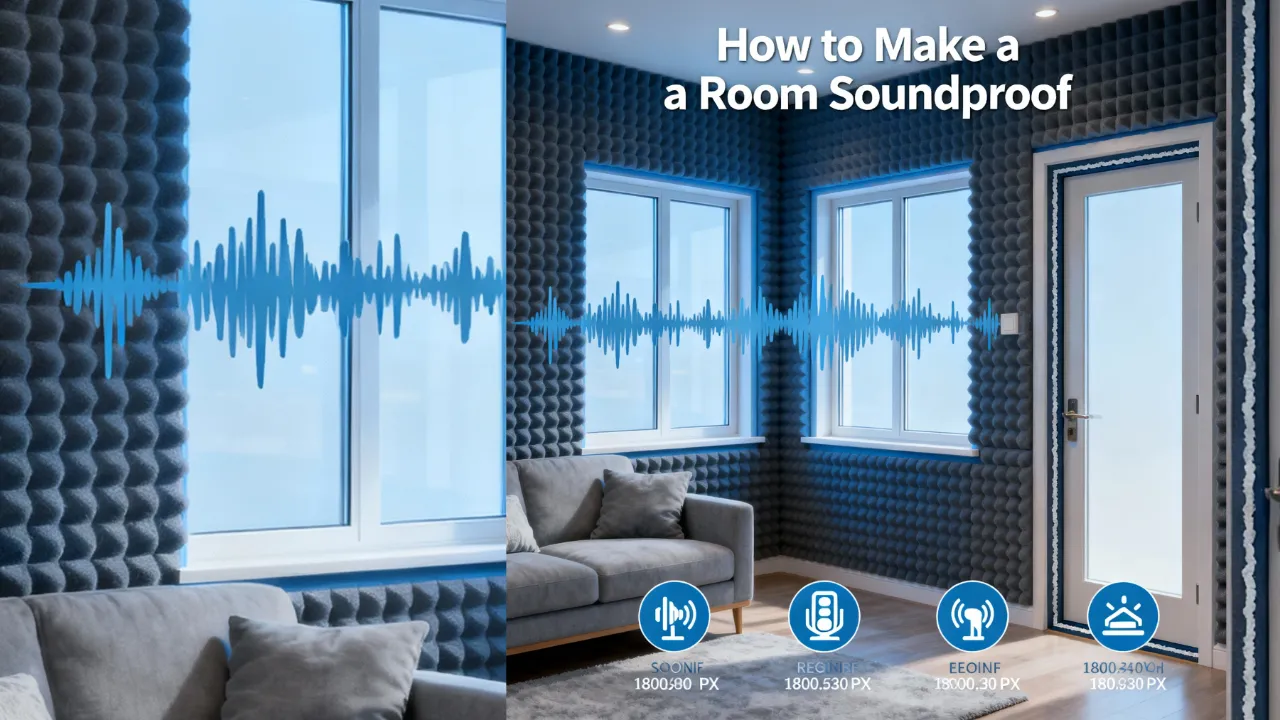
How to Make a Room Soundproof: Introduction
Creating a quiet, distraction-free environment is essential, whether it’s for work, study, music recording, or simply relaxation. Learning how to make a room soundproof can significantly reduce unwanted noise from neighbors, traffic, or household activities. Soundproofing isn’t just about comfort—it improves focus, productivity, and even the quality of audio recordings in your space.
From using high-quality acoustic panels like EchoStop and AuraLuxe, to installing soundproof doors like SonicGuard, or modern partitions like AcoFascia, there are a variety of effective solutions available. Understanding the right combination of materials, structural adjustments, and professional techniques will help you transform any room into a peaceful, noise-free zone.
In this guide, we’ll walk you through everything—from identifying noise sources to choosing the best soundproofing products and DIY techniques—so you can make your room truly quiet and comfortable.
Why Soundproofing is Important?
Soundproofing a room is more than just blocking noise—it’s about creating a space that enhances comfort, productivity, and privacy. Whether you are living in a busy city, running a home office, or managing a music studio, reducing unwanted noise has several significant benefits.
1. Improves Focus and Productivity
Excessive noise can be distracting, making it difficult to concentrate on work or study. A soundproof room allows you to focus better, improving efficiency whether you’re working from home, attending online classes, or engaging in creative projects. Using acoustic panels like EchoStop or AuraLuxe can absorb sound reflections, minimizing distractions and creating a calm environment.
2. Enhances Privacy
Soundproofing ensures that conversations, meetings, or sensitive discussions remain private. Installing SonicGuard wooden acoustic doors or ThinkPod soundproof booths can prevent sound leakage, making your space suitable for confidential work or calls.
3. Reduces Stress and Promotes Relaxation
Constant exposure to noise pollution can increase stress levels and disrupt sleep patterns. A properly soundproofed room helps reduce external noise, creating a peaceful sanctuary for relaxation, meditation, or quality sleep. Products like PerfoAudile acoustic tiles and PackSound damping sheets are effective in minimizing ambient noise.
4. Improves Audio Quality for Recording or Entertainment
For musicians, podcasters, or home theater enthusiasts, soundproofing is essential for clear and crisp audio. AcoFascia modern partitions and AuraLuxe 3D panels can control echo and reverberation, ensuring professional-level sound quality without interference from outside noise.
5. Increases Property Value
A room with effective soundproofing is a valuable addition to any home or office. Potential buyers and tenants often appreciate the enhanced comfort and privacy, making soundproofing a worthwhile investment.
Soundproofing is not just a luxury—it’s a practical solution that improves everyday life. By combining the right materials, products, and techniques, you can create a room that is quiet, private, and conducive to productivity, relaxation, and entertainment.
Types of Soundproofing Materials
Choosing the right materials is crucial when learning how to make a room soundproof. Different products serve specific purposes, from absorbing echo to blocking external noise. Here’s a breakdown of the most effective soundproofing materials and solutions:
1. EchoStop – Acoustic Panels for Walls
EchoStop acoustic panels are designed to reduce sound reflections and absorb echo in any room. Perfect for offices, studios, or home theaters, these panels help create a quieter environment by controlling mid-to-high frequency noise. Installing wall panels can dramatically improve sound clarity and overall comfort.
2. PerfoAudile – Acoustic Tiles for Ceilings
Ceiling noise is often overlooked. PerfoAudile acoustic tiles are engineered to absorb sound from above, making them ideal for apartments, offices, and commercial spaces. These tiles reduce reverberation and prevent sound from traveling to adjacent rooms.
3. AuraLuxe – 3D Ultra Luxury Acoustic Panels
For those seeking both performance and style, AuraLuxe 3D acoustic panels offer premium sound absorption while enhancing room aesthetics. Their unique three-dimensional design controls echoes and improves the overall audio quality in spaces like studios, lounges, and high-end home theaters.
4. AcoFascia – Modern Acoustic Partitions
AcoFascia partitions are modular solutions that divide large spaces while reducing noise transfer. These partitions are perfect for offices, conference rooms, or open-plan areas, allowing you to create quiet zones without major structural changes.
5. SonicGuard – Wooden Acoustic & Fire Doors
Doors are a major point of sound leakage. SonicGuard wooden acoustic doors not only block noise but also provide fire protection, making them a practical and safe choice for homes and workplaces. High-quality doors prevent sound from traveling between rooms, enhancing privacy and quietness.
6. ThinkPod – Acoustic & Soundproof Booths
For ultimate noise isolation, ThinkPod soundproof booths are ideal. These self-contained units are perfect for making calls, recording, or focused work in noisy environments. ThinkPod booths ensure total sound isolation, creating a distraction-free zone.
7. PackSound – Sound Damping Sheets
PackSound damping sheets are thin yet highly effective materials that reduce vibrations and limit sound transmission through walls, floors, and ceilings. They are especially useful for studios, home theaters, or rooms with heavy machinery or appliances.
8. AquaSonic – Marine Acoustic Panels
AquaSonic panels are specialized for environments with high humidity, such as bathrooms, kitchens, or marine applications. These panels combine moisture resistance with sound absorption, providing a durable and effective solution for tricky spaces.
By using a combination of these soundproofing materials, you can address different sources of noise effectively and create a room that is both functional and peaceful.
Structural Soundproofing Techniques
Effective soundproofing isn’t just about adding panels or curtains—it also requires addressing the structural weak points of a room. Walls, doors, windows, and small gaps are often the main channels through which unwanted noise travels. Combining acoustic treatments with structural soundproofing ensures maximum noise reduction and a truly quiet space. Here’s how to strengthen your room’s structure for better sound isolation:
1. Sealing Gaps and Cracks
Even tiny cracks in walls, ceilings, floors, or around electrical outlets can allow significant sound leakage. Using acoustic sealants or soundproof caulk to seal these gaps prevents airborne noise from penetrating your room. This technique enhances the performance of other acoustic materials like EchoStop wall panels or PerfoAudile ceiling tiles by ensuring the sound energy doesn’t bypass them. Regularly inspect your room for hidden cracks to maintain optimal acoustic performance.
2. Installing Double-Glazed Windows
Windows are often the weakest point in a room’s acoustic barrier. Double-glazed windows feature two layers of glass separated by an air or gas-filled gap, reducing the transmission of external noise. For enhanced acoustic insulation, consider laminated glass, which combines layers of glass and a special acoustic interlayer to block vibrations and reverberations. Properly installed acoustic windows can significantly reduce traffic noise, urban sounds, and outdoor distractions.
3. Adding Door Sweeps and Acoustic Weatherstripping
Doors, especially hollow-core models, are major culprits for sound leakage. Installing door sweeps at the bottom and applying acoustic weatherstripping around the frame can seal these gaps and prevent noise from entering or escaping the room. Combined with SonicGuard acoustic doors, these measures create an effective acoustic barrier that improves both privacy and soundproofing performance.
4. Enhancing Wall and Floor Mass (Optional Advanced Tip)
For rooms with severe noise problems, adding mass to walls and floors—such as acoustic damping sheets like PackSound or additional drywall layers—can reduce sound transmission through structural elements. This structural reinforcement works together with other acoustic materials to create a highly effective soundproof environment.
By integrating these structural soundproofing techniques with high-quality acoustic panels, partitions, and doors, you can transform any space into a quiet, focused, and acoustically balanced environment. Proper attention to structural details ensures that your soundproofing efforts deliver long-lasting results.
Acoustic Testing & Simulation
Before implementing soundproofing solutions, it’s important to understand how noise behaves in your room. Acoustic testing and simulation help identify problem areas, measure sound levels, and design effective solutions.
- Acoustic Testing: Professionals use tools like decibel meters and sound level analyzers to detect where noise leaks occur. This can include walls, floors, ceilings, windows, and doors.
- Acoustic Simulation Software: Modern simulation software models sound behavior in a room, helping you choose the best combination of acoustic panels, damping sheets, and partitions for optimal results.
- Benefits: By testing and simulating, you can save time and money by focusing only on areas that require treatment, ensuring your soundproofing materials, like EchoStop wall panels or PerfoAudile ceiling tiles, work most efficiently.
DIY Soundproofing Ideas
For those looking for budget-friendly solutions, DIY acoustic treatments can be highly effective. Here are practical ideas:
- Wall Treatments: Hang thick blankets, quilts, or DIY acoustic panels to absorb sound. Use EchoStop or AuraLuxe panels if you want a professional look.
- Ceiling Noise Reduction: Install PerfoAudile acoustic tiles or foam panels to control echo from above.
- Door and Window Sealing: Apply acoustic weatherstripping, door sweeps, or draft stoppers to prevent noise leakage.
- Furniture Placement: Position bookshelves, rugs, or heavy curtains to naturally absorb sound and reduce echo.
- Temporary Partitions: Use AcoFascia partitions or movable screens to create quiet zones in open spaces.
DIY soundproofing is cost-effective and can complement professional acoustic solutions for maximum impact.
Professional Soundproofing Solutions
For more demanding acoustic needs, professional soundproofing ensures long-term results:
- Acoustic Walls and Panels: Experts can install high-performance solutions like AuraLuxe 3D panels or EchoStop systems tailored to your room’s acoustics.
- Doors and Windows: Professionals may recommend SonicGuard acoustic doors or laminated double-glazed windows for superior sound isolation.
- Custom Acoustic Booths: For studios or offices, ThinkPod soundproof booths provide total isolation for calls, recordings, or focused work.
- Floor and Ceiling Treatments: Soundproof flooring underlays or PackSound damping sheets can reduce noise from foot traffic or machinery.
Professional soundproofing ensures that your room achieves optimal acoustic performance and long-lasting results.
Cost of Soundproofing a Room
The cost of making a room soundproof varies depending on materials, room size, and techniques used:
- DIY Materials: Acoustic foam, panels, and weatherstripping can cost anywhere from $50 to $500 for a medium-sized room.
- Professional Acoustic Panels & Doors: High-end panels like AuraLuxe or SonicGuard doors can range from $300 to $2,000 per unit.
- Full Professional Installation: Complete soundproofing with panels, doors, windows, and partitions may cost $3,000–$10,000 depending on room complexity.
Investing in the right acoustic solutions not only reduces noise but also enhances comfort, productivity, and property value.
Tips for Maximum Sound Reduction
To achieve the best results, combine materials and techniques strategically:
- Seal Every Gap: Use acoustic sealants on cracks, outlets, and edges.
- Layer Materials: Combine panels, damping sheets, and partitions for multiple layers of soundproofing.
- Control Windows and Doors: Install double-glazed windows, door sweeps, and weatherstripping.
- Use Soft Furnishings: Rugs, curtains, and upholstered furniture absorb sound naturally.
- Test Acoustics: Use decibel meters or simulation software to monitor results and adjust treatments.
These steps ensure a room that is not only quiet but also acoustically balanced and comfortable for all activities.
Conclusion: Creating a Quiet, Acoustically Optimized Space
Creating a truly quiet and soundproof room requires a thoughtful combination of structural modifications, high-quality acoustic materials, and professional soundproofing techniques. Every detail matters—from sealing gaps and cracks in walls, ceilings, and floors to selecting the right acoustic panels, damping sheets, and partitions. Products like EchoStop wall panels, AcoFascia modern partitions, SonicGuard acoustic doors, and specialized DIY solutions all play a crucial role in achieving effective sound isolation.
A well-executed soundproofing plan doesn’t just block noise—it transforms your environment. The benefits are wide-ranging:
- Enhanced Productivity and Focus: Whether you work from home, study, or engage in creative projects, a soundproof space minimizes distractions and creates a focused environment.
- Improved Privacy: Confidential conversations, meetings, and calls remain secure, making your space ideal for offices, studios, or personal use.
- Relaxation and Stress Reduction: Reducing unwanted noise contributes to better sleep, relaxation, and mental well-being, turning your room into a sanctuary.
- Superior Audio Quality: For music recording, podcasting, or home theaters, effective soundproofing enhances acoustic clarity, minimizes echo, and delivers a professional listening experience.
By carefully combining DIY and professional soundproofing strategies, optimizing structural weak points, and using high-performance acoustic materials, you can convert any room—large or small—into a peaceful, quiet, and acoustically balanced environment.
Ultimately, investing in soundproofing is an investment in comfort, privacy, and well-being. With the right planning and materials, you can enjoy a space where noise no longer interferes with productivity, relaxation, or creativity, making your room a true acoustic haven.