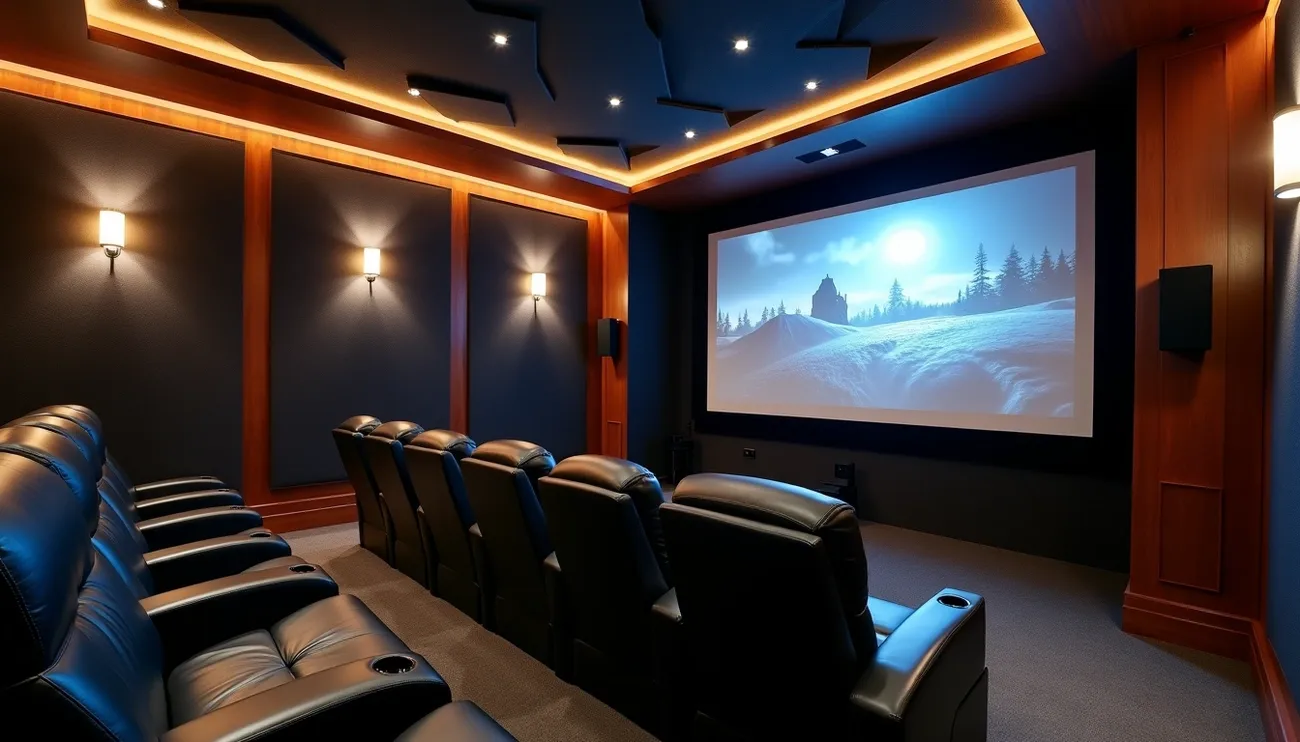

Acoustic Sound Panels Explained: Installation, Benefits & Selection
Creating a comfortable acoustic environment is essential in today’s modern spaces. Whether you’re working in a busy office, teaching in a classroom, dining in a restaurant, training in a gym, or managing a manufacturing unit, poor acoustics can increase stress, reduce productivity, and make communication challenging. Hard surfaces like glass, tile, concrete, and exposed ceilings reflect sound, causing unwanted reverberation, echoes, and noise.
Acoustic sound panels provide an effective and visually adaptable solution. They reduce internal sound reflections without changing your interior design, improving clarity, focus, and overall acoustic comfort. In this guide, we cover everything you need to know about acoustic panels—including types, materials, design options, Noise Reduction Coefficient (NRC) ratings, installation methods, cost, and how to choose the right panels for your space.
Get in touch now and let our team help you create a quieter, more comfortable, and productive environment.
What Are Acoustic Sound Panels?
Acoustic sound panels are specially designed materials that absorb sound energy, reducing echo and reverberation inside a room. Unlike traditional soundproofing, which blocks sound from entering or leaving a space, these panels target internal noise caused by reflections from walls, floors, and ceilings.
Most acoustic panels consist of a sound-absorbing core—made from materials like fiberglass, mineral wool, foam, or recycled PET fibers—covered by an acoustically transparent fabric or perforated surface. This design allows sound waves to pass through the outer layer and dissipate within the panel, improving the overall auditory environment.
The principle is simple: convert sound energy into heat rather than letting it bounce back. This not only reduces reverberation but also improves speech clarity, acoustic comfort, and concentration in spaces such as offices, studios, classrooms, and restaurants.
How Acoustic Sound Panels Work
Acoustic panels function through sound absorption. When sound waves hit the panel:
- Contact: Sound encounters the porous or fibrous surface, allowing waves to penetrate instead of reflecting.
- Dissipation: Internal structures, like open-cell foam or fibrous cores, create friction that converts sound energy into heat.
- Multiple Interactions: Panels can be spaced or layered, increasing absorption efficiency, especially for mid and high frequencies.
- Enhanced Acoustics: Reduced reflections shorten reverberation times (RT60), creating clearer, more intelligible audio.
The NRC rating measures a panel’s absorption efficiency (0.0 = no absorption; 1.0 = complete absorption). Panels with higher NRC values are more effective at controlling echo, speech interference, and unwanted noise.
Why Acoustic Sound Panels Are Essential
Modern interior design prioritizes open layouts, minimalism, and hard finishes, which can amplify noise. Installing acoustic panels offers:
- Noise reduction: Decreases background noise for calmer, more productive environments.
- Speech clarity: Enhances intelligibility in offices, classrooms, and auditoriums.
- Improved focus and productivity: Reduces fatigue caused by excessive noise.
- Aesthetic enhancement: Available in customizable fabrics, prints, wood finishes, and colors.
- Versatility: Suitable for offices, schools, restaurants, home theaters, gyms, hospitals, and retail spaces.
Types of Acoustic Sound Panels
1. Fabric-Wrapped Acoustic Panels
Core materials wrapped in acoustically transparent fabric. Popular for offices, conference rooms, and restaurants.
Advantages: High NRC, custom colors, aesthetic appeal, suitable for commercial and residential spaces.
2. Foam Panels
Lightweight, budget-friendly panels made from open-cell polyurethane or melamine foam. Best for recording studios and home theaters.
Limitation: Less effective at absorbing low-frequency sound.
3. PET Felt Panels
Eco-friendly panels made from recycled polyester fibers. Available in vibrant colors and various shapes. Perfect for modern offices, classrooms, and co-working spaces.
Advantages: Moisture-resistant, durable, high NRC potential.
4. Bass Traps
Corner panels that absorb low-frequency energy, ideal for music studios and home theaters.
5. Wooden Slat Panels
Decorative panels with grooved wooden slats over an absorptive core. Combine style with moderate sound absorption, suitable for offices, lobbies, and restaurants.
6. Diffuser Panels
Scatter sound waves to prevent concentrated reflections and maintain a balanced auditory environment.
7. Hybrid Panels
Combine multiple materials (PET + wood, fabric + foam) for optimized absorption, aesthetics, and durability.
Materials Used in Acoustic Panels
- Fiberglass / Mineral Wool: Broad frequency absorption, high NRC, suitable for studios, offices, and auditoriums.
- Acoustic Foam: Lightweight, effective for mid-to-high frequencies.
- PET Felt: Recycled, eco-friendly, mid-frequency absorption, customizable shapes and colors.
- Wood: Enhances aesthetics and diffuses sound when combined with an absorptive core.
- Metal / Perforated Panels: Durable, fire-resistant, often used in industrial spaces and public buildings.
Understanding NRC Ratings
The Noise Reduction Coefficient (NRC) indicates how effectively a panel absorbs sound:
- NRC 0.70+: Good for general spaces.
- NRC 0.85+: Recommended for offices, classrooms, and performance halls.
- NRC 0.95+: High-performance environments like studios and auditoriums.
Tip: NRC measures internal absorption, not sound blocking between rooms (STC rating).
Applications of Acoustic Sound Panels
Acoustic panels are versatile and can improve sound quality in:
- Offices & open workplaces – reduce distractions, improve focus
- Classrooms & lecture halls – enhance learning environments
- Restaurants & cafes – minimize clatter and chatter
- Hospitals & healthcare facilities – create calming spaces
- Recording studios & broadcast rooms – precise sound control
- Home theaters & entertainment rooms – immersive audio
- Retail stores & malls – better customer experiences
Design and Aesthetic Options
Modern acoustic panels combine functionality and design:
- Fabric panels with printed graphics or logos
- Wood slat panels for texture and style
- Modular or geometric patterns for ceilings and walls
- Custom cutouts and shapes for artistic installations
Installation Methods
- Wall mounting: Direct absorption at reflection points
- Ceiling mounting: Ideal for large, open spaces
- Corner placement: Bass traps for low frequencies
- Air gap spacing: Increases low-frequency absorption
Coverage: Panels should cover 20–30% of reflective surfaces for noticeable improvement.
Choosing the Right Acoustic Panels
Consider:
- Room size and ceiling height
- Type of noise (echo vs. background)
- Required NRC rating
- Aesthetic preferences
- Fire & safety requirements
- BudgCost Considerations
- Foam panels: Budget-friendly
- PET panels: Mid-range
- Fabric-wrapped fiberglass/mineral wool: Mid to premium
- Wood/custom designs: Premium
Custom finishes and higher NRC ratings usually increase cost but provide better performance.
Conclusion
Effective sound management is crucial for creating spaces where people can work, learn, relax, and communicate comfortably. Acoustic sound panels offer a smart, versatile solution to control noise, reduce echo, and improve overall acoustic quality. Whether installed in offices, classrooms, restaurants, gyms, or home theaters, these panels balance functionality with aesthetics, making them both practical and visually appealing.
Choosing the right type of panel, material, and NRC rating ensures optimal performance tailored to your space’s unique needs. From fabric-wrapped and PET panels to wooden or foam solutions, each option provides specific benefits for different environments. Beyond sound absorption, panels also allow creative design possibilities, helping you enhance the visual character of ceilings and walls while solving acoustic challenges.
Investing in high-quality acoustic panels not only improves comfort, focus, and speech clarity but also elevates the overall experience of your space. They are an essential component of modern interiors, combining efficiency, durability, and design flexibility. By selecting and installing the right acoustic panels, you create an environment that supports productivity, well-being, and long-term satisfaction for everyone who occupies it.