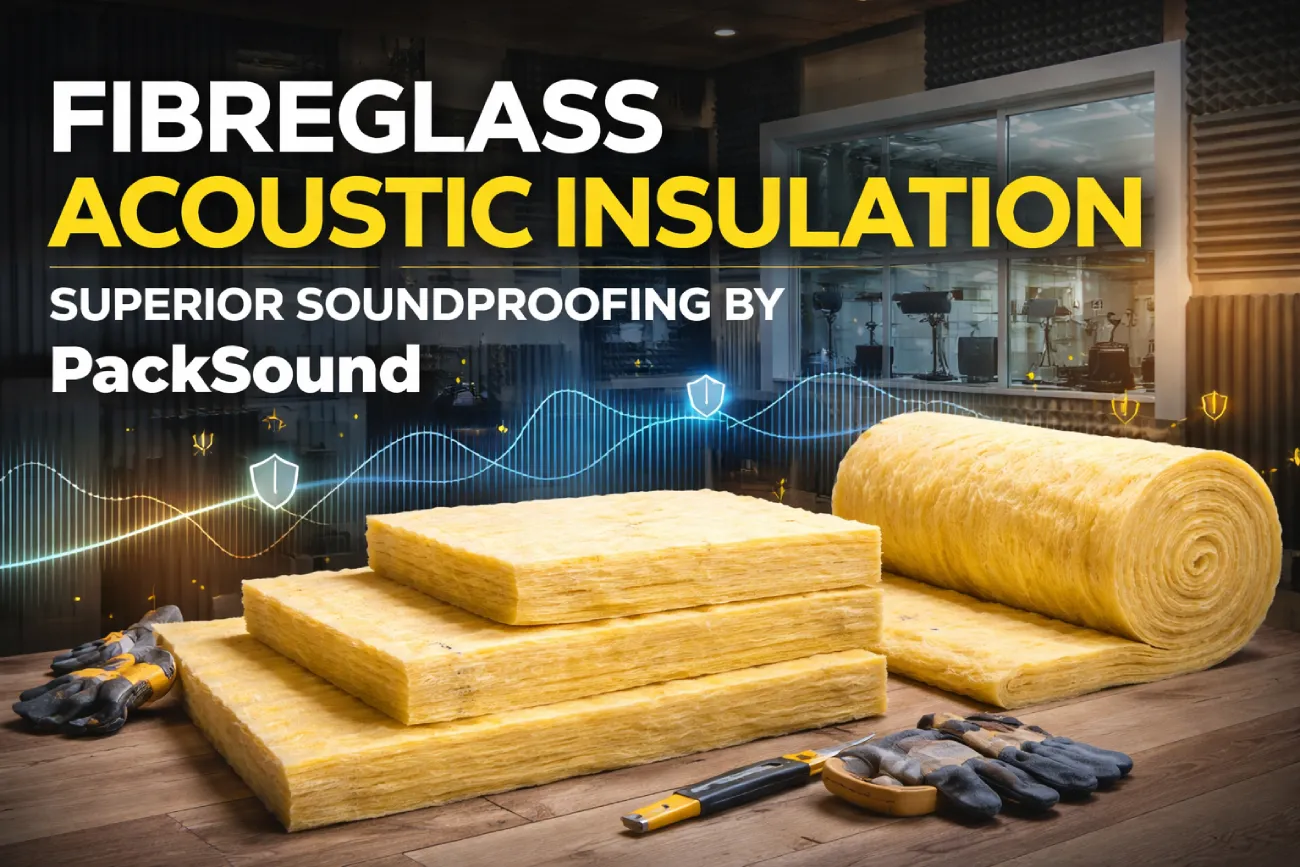
Fiberglass acoustic insulation delivers NRC (Noise Reduction Coefficient) ratings from 0.85 for 1-inch thick panels to 1.15 for 2-inch thick options. Is fiberglass a good insulator for sound control? Fiberglass acoustic panels can absorb sound waves in wide frequency ranges, especially in speech-critical mid frequencies. This makes them excellent for soundproofing[-5]. Does fiberglass insulation soundproof well? This piece explores how ceiling fiberglass insulation, acoustic tiles, and fiberglass acoustic insulation Dubai solutions from PackSound provide industrial and residential spaces with superior sound absorption and acoustic control.
What is Fiberglass Acoustic Insulation
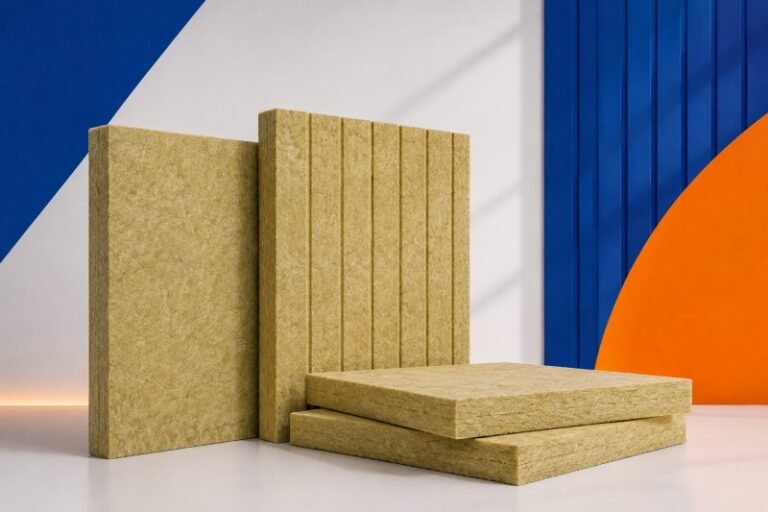
Made from a combination of sand, glass fibers, and adhesives, fiberglass acoustic insulation serves as both thermal and sound control material in construction projects. The fine glass fibers are tightly woven together into a dense yet porous structure that targets unwanted noise at different frequencies.
Core Material and Composition
Fiberglass acoustic panels feature randomly arranged sheets of reinforced plastic and glass fibers flattened into usable forms. The core material maintains a density of 6 pounds per cubic foot (6 PCF) for optimal acoustic performance. Some formulations contain 59% post-consumer recycled glass, making them an eco-friendly choice for building projects.
The interwoven fiber structure creates a labyrinth of interconnected air spaces within the material. Sound waves penetrate deeply rather than bouncing off the surface because of this porous composition. Ceiling fiberglass insulation and wall applications benefit from this open-cell design, which maximizes contact between sound energy and the absorptive fibers.
How Fiberglass Works for Sound Control
The interwoven fibers cause rapid back-and-forth air movement within the material when sound waves strike fiberglass acoustic insulation. Friction from this movement converts the kinetic energy of sound into heat and reduces the amount of sound reflected back into the space. The trapped air between fibers absorbs sound energy rather than allowing it to reverberate.
The material\’s effectiveness stems from its ability to capture and dissipate sound energy. Sound waves encounter the fiberglass barrier and cause minute changes in air pressure within the interconnected spaces. These pressure variations force small movements of the contained air volume and transform sound power into thermal energy through friction.
Does fiberglass insulation soundproof spaces? The answer lies in its high NRC ratings. Fiberglass insulation achieves NRC values between 0.90 and 0.95, demonstrating exceptional sound absorption capabilities. Thicker panels perform even better. Two-inch options reach NRC ratings up to 1.15.
Performance varies based on thickness, fiber diameter, and bulk density. The material excels in the 1000 to 2000 Hz range where vocal frequencies concentrate, making it ideal for speech intelligibility. Increased thickness and higher bulk densities improve sound absorption performance at broader frequency ranges.
Rigid vs Soft Fiberglass Forms
Fiberglass acoustic panels come in two distinct forms. Soft wall insulation requires containment within frames. Rigid fiberglass boards maintain their shape on their own. Rigid boards can be formed into almost any size or shape and wrapped in acoustic fabric to create standalone panels. They range from 6-7 pounds per cubic foot in density.
The semi-rigid nature of fiberglass boards offers practical advantages over loose-fill alternatives. Is fiberglass a good insulator compared to mineral wool? Rigid fiberglass panels hold themselves up without additional structural backing, unlike mineral wool that needs frame support. Installation becomes simpler and lighter because of this self-supporting quality.
Therefore, rigid boards provide more surface area for acoustic absorption in the same panel size. Mineral wool panels with frames lose space to structural elements. Frameless fiberglass panels maximize the absorptive surface. You can cut the rigid boards with utility knives, mount them on walls or ceilings, and even fashion them into corner bass traps for low-frequency control.
Fiberglass acoustic insulation Dubai projects benefit from both forms depending on application needs. Wall cavities use soft insulation. Finished spaces receive rigid panels wrapped in decorative fabrics. Acoustic tiles made from rigid fiberglass maintain consistent panel alignment and deliver a more architectural appearance compared to temporary solutions.
PackSound Fiberglass Acoustic Panels – Industrial & Residential Use
PackSound engineers fiberglass acoustic panels that serve both industrial facilities and residential projects in a variety of acoustic environments. These panels come in multiple configurations including fabric acoustic wall panels, baffles, clouds, deco clouds, acoustic separators, and acoustic tiles for ceiling applications. Spaces just need different acoustic treatments, so PackSound designs solutions that balance sound control with fire safety and energy efficiency.
Fiberglass acoustic insulation from PackSound achieves NRC ratings up to 0.90 and CAC ratings up to 40. This makes them suitable for spaces that require both sound absorption and blocking capabilities. The performance metrics demonstrate effectiveness across frequency ranges where speech intelligibility and noise reduction matter most. Mani Pathak notes that these ratings translate to measurable improvements in spaces where clarity and comfort affect productivity and wellbeing directly.
PackSound\’s manufacturing approach has safety credentials as its foundations. The mineral fiber acoustic tiles meet Class A fire ratings under ASTM E1264 standards. Flame spread ratings stay below 25 while smoke developed classifications remain under 450. These certifications make PackSound panels appropriate for commercial spaces that require rigorous fire safety compliance without compromising acoustic performance.
PackSound\’s production methods reflect environmental responsibility. The panels contain up to 71% recycled content and maintain low VOC emissions that exceed EU requirements for formaldehyde. Is fiberglass insulation good for soundproofing while staying eco-friendly? PackSound\’s formulations prove that acoustic effectiveness and environmental standards can coexist. The fiberglass cores use recycled content for high NRC performance while supporting green building practices.
Ceiling fiberglass insulation and wall panels from PackSound combine smoothly with lighting systems, air conditioning, and fire safety infrastructure. The panels maintain their acoustic properties while accommodating technical building requirements. This integration capability matters in corporate offices and open office layouts where focus and reduced noise distraction drive workplace design.
Educational facilities including classrooms, libraries, and auditoriums benefit from PackSound\’s fiberglass acoustic panels where clear speech transmission supports learning outcomes. Healthcare environments use these panels to create calm atmospheres that contribute to patient wellbeing. Retail and hospitality spaces install fiberglass acoustic insulation Dubai solutions to improve customer experience through comfortable acoustic environments.
Does fiberglass insulation soundproof effectively in ground applications? PackSound\’s panels reduce overall reverberation without disrupting daily activities or floor layouts. The acoustic control prevents echo build-up and excessive noise while keeping sound evenly distributed throughout larger spaces. Sound management focuses on clarity and comfort rather than creating absolute silence.
Mani Pathak emphasizes that PackSound offers customization across sizes, shapes, colors, and fabric finishes. The panels come with 3D textures and designer options that integrate with architectural visions. Custom dimensions and various thicknesses allow architects to meet functional requirements while achieving esthetic goals. Is fiberglass a good insulator for projects that require both performance and design flexibility? PackSound\’s range provides solutions that work with standard T-grid ceiling systems for straightforward installation in new construction and renovation projects.
PackSound delivers installation support and professional services that ensure proper placement and mounting. The company\’s expertise extends beyond product manufacturing to include acoustic consulting and project-specific guidance. Fire-rated materials suitable for commercial use combine with non-toxic, environmentally responsible components that comply with industry safety standards.
Key Benefits of Fiberglass Acoustic Insulation
Four distinct advantages position fiberglass acoustic insulation as a leading choice for sound control projects. These benefits extend beyond simple noise reduction and cover installation efficiency, safety compliance and performance longevity.
Superior Sound Absorption Performance
Fiberglass acoustic panels absorb sound in wide frequency ranges. They show particular strength in speech-critical mid frequencies. The porous structure captures and dissipates sound energy and eliminates excessive reverberation and echo. Sound waves penetrate the fibers and convert energy to heat through friction. This creates measurable sound absorption.
Performance metrics demonstrate the material\’s capabilities. Standard fiberglass acoustic insulation scores around 0.90 on the Noise Reduction Coefficient scale. Thicker installations deliver even better results. Proper thickness and air gaps behind panels achieve ratings between 0.85 for 1-inch panels and 1.15 for 2-inch configurations. Three-inch and four-inch panels target situations that require more low-frequency absorption.
Does fiberglass insulation soundproof different sound types the same way? The material excels at absorbing airborne sounds that include voices, music and television. High-pitched voices and general office noise reduce noticeably. Designers often meet reverberation targets without covering excessive wall or ceiling areas because fiberglass performs consistently as an absorptive media.
Thickness, density and installation quality determine sound dampening effectiveness. Higher-density fiberglass batts provide better performance. Denser insulation absorbs and blocks more noise because of increased mass and fewer pathways for sound waves.
Lightweight and Easy to Install
Fiberglass acoustic panels weigh much less than alternative materials while maintaining structural integrity. The low weight relative to strength makes handling and mounting straightforward. Installations proceed faster because the material\’s lightweight nature reduces physical strain during placement.
The flexibility of fiberglass acoustic insulation allows it to conform to irregular shapes or corners without leaving gaps or compromising effectiveness. Tight spaces that include attics, crawl spaces and walls accommodate the material with ease. Rigid fiberglass boards can be cut with utility knives and mounted on walls or ceilings without specialized equipment.
Proper installation requires filling cavities without compression. Edges and seams must meet tightly. Acoustic caulk should seal any cracks. Snug installation prevents gaps that allow noise to slip through.
Fire Safety and Class A Rating
Ceiling fiberglass insulation and wall panels manufactured as Class A fire-rated products comply with ASTM E84 / UL 723 requirements. Class A represents the highest fire safety rating and indicates materials are highly resistant to fire. These products earn their rating through the ASTM E84 burn test, which measures flame spread and smoke development.
Flame-Spread Index (FSI) scores of 25 or less qualify materials for Class A classification. Is fiberglass a good insulator for fire safety? The material is non-combustible by nature. Rather than burning, fiberglass melts at very high temperatures. This fire resistance slows flame spread during emergencies and extends evacuation time while potentially reducing property damage.
Class A ratings make fiberglass acoustic panels suitable for offices, restaurants, businesses, schools and healthcare facilities. Building codes in many jurisdictions mandate Class A fire-rated materials in public and commercial buildings.
Durability and Long-Term Stability
Rigid fiberglass board holds its shape over time. Fiberglass acoustic insulation lasts for decades without major maintenance once installed properly. The material retains its structure and performance rather than degrading. Fiberglass maintains its insulating effectiveness over years, unlike materials that settle or sag.
The composition of glass fibers makes the material resistant to mold, fire and pests. Mani Pathak notes that this resistance ensures property owners avoid frequent replacement or repair costs. Acoustic tiles made from fiberglass maintain clean, crisp edges and tight, wrinkle-free fabric facing. Consistent panel alignment creates a more architectural appearance compared to materials that compress or degrade with contact over time.
Fiberglass vs Other Acoustic Insulation Materials
Material selection decisions hinge on performance comparisons in a variety of factors. Fiberglass acoustic insulation competes with mineral wool and acoustic foam in most soundproofing projects. Each material brings different characteristics to acoustic control applications.
Fiberglass vs Mineral Wool Insulation
Both materials deliver strong performance at sound absorption. Mineral wool achieves NRC ratings between 0.95 and 1.05 for higher-quality products. Fiberglass acoustic panels score between 0.90 and 0.95. The difference remains marginal. Both materials earn high ratings that make them suitable for residential or commercial noise reduction[161].
Mineral wool demonstrates higher STC ratings than fiberglass. This measures how much sound a material blocks[161]. Most wall STC ratings fall between 20 and 65. A rating of 65 shows minimal noise transmission. Fiberglass still offers impressive sound-blocking properties despite these differences[161].
Construction methods create practical differences between the two. Mineral wool comes as loose material that requires built-in frames covered with fabric to contain the fibers. Fiberglass maintains rigid form without needing frames[161]. Fire-resistant acoustic cloth covers fiberglass acoustic insulation panels instead[161]. This structural difference makes fiberglass panels lighter and easier to hang. Mineral wool frames provide additional protection and support[161].
Thermal performance separates the materials by modest margins. Mineral wool carries an R-value of 3.10 to 4.0. Fiberglass insulation ranges from 2.2 to 3.8 depending on whether it comes loose or formed into batts[161]. Mineral wool batts offer 22-37% higher R-value per inch. Both materials resist fire, but mineral wool tolerates higher melting temperatures.
Cost considerations favor fiberglass by a lot. Mineral wool runs anywhere from 20% to 50% more expensive than fiberglass due to its complex manufacturing process[161]. Mani Pathak notes that fiberglass provides cost-effective performance for large-scale projects where budget constraints matter[161].
Fiberglass vs Acoustic Foam
Performance gaps between these materials prove substantial. Fiberglass acoustic panels deliver over 75% more absorption than foam across all frequencies. Broadway glass wool panels at 6 pounds per cubic foot provide up to 4 times the absorption compared to typical foam panels of similar size. This density advantage means foam works well at higher frequencies but loses effectiveness as frequency lowers.
Fire safety creates the most critical difference. Acoustic foam meets California-117 or Class B ratings for fire resistance. These no longer satisfy building codes or insurance requirements in most areas. Ceiling fiberglass insulation and wall panels achieve Class 1 or Class A fire ratings and meet stringent safety criteria. Many cheap polyurethane foam products sold online haven\’t been tested by independent labs for fire resistance. This makes them unsafe and non-compliant with building codes.
Durability concerns plague foam installations. Foam panels turn brittle, yellow, and crumbly over time. They disintegrate and rot, leaving dusty residue. Fabric-wrapped fiberglass acoustic panels maintain shape and structure for multiple years with minimal long-term care requirements. The fabric protects the core from wear over extended periods.
Installation methods differ between the two. Foam panels get glued to walls with spray adhesive. This causes paint damage during removal and prevents reuse. Fiberglass acoustic insulation installs using impaler clips for quick, easy mounting that one person can complete with minimal wall damage. Alternative mounting like Z-bars or RotoFast Snap-On anchors require no adhesive whatsoever. They offer clean removal and renter-friendly solutions.
Is Fiberglass a Good Insulator for Soundproofing
Is fiberglass insulation good for soundproofing projects? The material absorbs sound well, which suits soundproofing goals. Fiberglass measuring 3.5 inches thick carries NRC ratings between 0.90 and 0.95. This demonstrates strong sound reduction capabilities. Thicker and denser insulation absorbs and blocks more noise due to increased mass and fewer pathways for sound waves. Does fiberglass insulation soundproof spaces? It serves as an excellent sound barrier but won\’t stop noises 100%.
Applications: Where Fiberglass Acoustic Insulation Works Best
Specific environments just need tailored acoustic solutions, and fiberglass acoustic insulation adapts to a variety of settings where sound control affects performance and comfort.
Ceiling Fiberglass Insulation for Offices
Open-plan offices face acoustic challenges from hard, reflective surfaces including metal, drywall, glass, and polished concrete that extend reverberation time. Ceiling fiberglass insulation installed overhead or on perimeter walls reduces overall reverberation and makes conversations feel more contained. Conference rooms benefit even more because uncontrolled reflections reduce speech intelligibility, especially during hybrid meetings where microphones and speakers magnify acoustic problems. Ceiling clouds and baffles suspended above collaboration zones intercept sound before it reflects back into the room.
Fiberglass Acoustic Panels for Studios
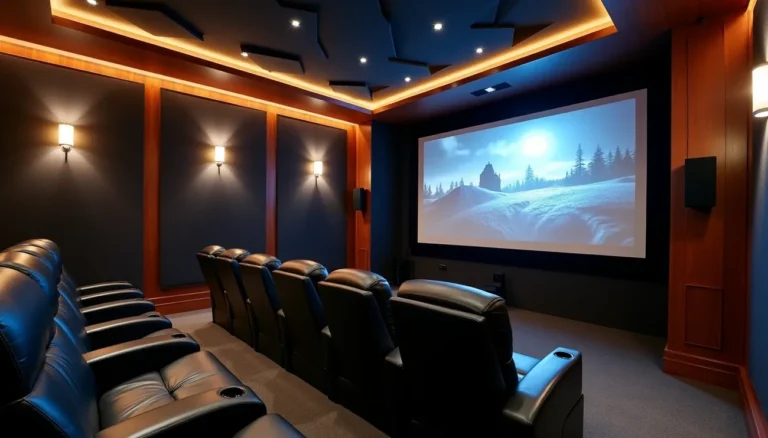
Recording studios, mixing rooms, and home theaters require fiberglass acoustic panels as foundational acoustic treatment. Reflections that arrive milliseconds after direct sound smear imaging and reduce clarity. Panels control early reflections on side walls and ceilings. This creates accurate stereo imaging and consistent listening positions. Thicker panels or air-gapped installations are common in these critical listening environments. DIY studio builders achieve professional results and spend nowhere near what commercial foam alternatives cost.
Wall Insulation for Commercial Spaces
Manufacturing facilities and warehouses use fiberglass acoustic insulation for thermal control and fire resistance. High-density applications insulate pipes, tanks, and HVAC systems while managing extreme temperatures. Sound attenuation properties reduce noise in industrial settings. Commercial buildings employ the material for large-scale thermal and acoustic control in exterior walls and roofs.
Acoustic Tiles for Educational Facilities
Classrooms suffer when poor acoustics interfere with learning. Long reverberation times make distinguishing spoken words harder, especially for younger students or those seated farther from instructors. Acoustic tiles installed on rear and side walls shorten decay time enough that spoken words remain distinct. Mani Pathak emphasizes that students in treated classrooms scored 25-30 points higher on comprehension tests compared to peers in non-treated spaces. Panels with NRC ratings up to 0.85 create optimal conditions for teaching in classrooms, libraries, and lecture halls.
Technical Specifications and Performance Factors
Technical metrics define how fiberglass acoustic insulation performs in real-life installations, with three main factors determining acoustic effectiveness.
NRC Ratings and Sound Absorption Data
Fiberglass acoustic panels achieve Noise Reduction Coefficient ratings of 0.80, and high-quality products reach NRC values between 1.00 and 1.05. Sound absorption coefficient (αw) measures 0.80 according to DIN EN ISO 354 testing standards. Owens Corning 703 panels at 50mm thickness deliver NRC 1.00 performance, to name just one example. Sound attenuation ranges from 32-34 dB depending on thickness and reduces noise from external sources between rooms.
Thickness Options and Performance Effect
Ceiling fiberglass insulation comes in multiple thickness options ranging from 25mm to 100mm. Standard configurations include 25mm and 50mm variants. Thicker panels absorb lower frequencies more effectively. Two-inch 703 fiberglass boards absorb mid and high-range frequencies, while doubled-up four-inch configurations work down to 100Hz. Stacking three layers at six inches captures frequencies as low as 70Hz. Mani Pathak emphasizes that proper thickness selection matches specific frequency control requirements for each application.
Density Considerations for Optimal Results
Fiberglass acoustic insulation features densities around 40-80 kg/m³. Owens Corning 703 maintains 48 kg/m³ density and balances lightweight properties with rigid structure. Higher-density fiberglass provides better performance. Increased mass creates fewer pathways for sound waves. Panel weight remains manageable, with 595x595x20mm panels weighing 0.80kg.
PackSound\’s Fiberglass Acoustic Solutions
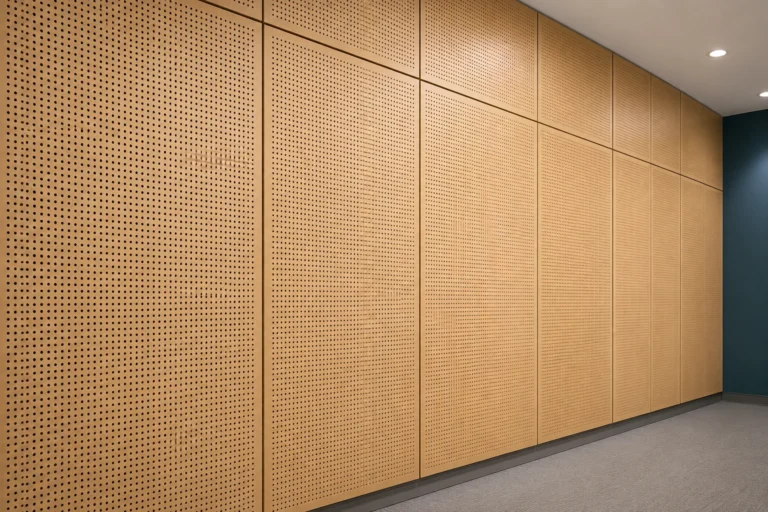
PackSound manufactures fiberglass acoustic insulation solutions through product series designed for varied acoustic challenges. The EchoStop® Series delivers high-performance wall panels with fabric-wrapped, perforated, grooved and composite finishes. The PerfoAudile® Series provides acoustic tiles and ceiling panels that reduce reverberation in offices, auditoriums and classrooms. Auraluxe® panels combine absorption with premium 3D textures for architect-grade installations.
Product Range and Options
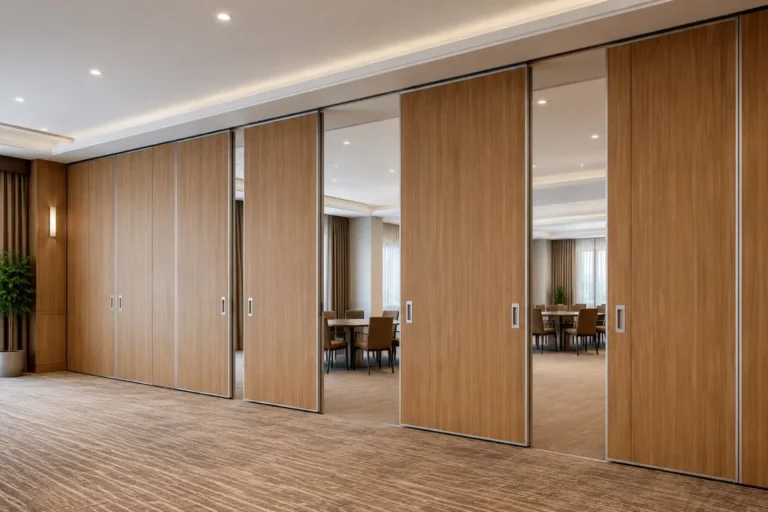
PackSound\’s portfolio has AcoFascia® partition systems, SonicGuard® fire-rated doors and ThinkPod® soundproof booths to control acoustics. Fiberglass acoustic panels come with customization across size, color, texture and performance levels. Mani Pathak emphasizes that tailored solutions will give design that matches décor and project goals without compromising function.
Why Choose PackSound for Fiberglass Acoustic Insulation Dubai
PackSound stands among India\’s leading manufacturers and engineers products using high-density compositions, certified fire ratings and lab-tested acoustic performance. Fiberglass acoustic insulation Dubai projects benefit from materials tested to deliver predictable results. The company uses fiberglass cores for high NRC performance coupled with recycled content for sustainability.
Installation Support and Professional Services
Professional on-site installation through trained teams will give proper fitting and optimal acoustic performance. PackSound provides end-to-end acoustic consulting that has 3D acoustic modeling, RT60 analysis and custom panel design. Standard products arrive within 7-15 days. Customized solutions require 3-6 weeks including installation and testing.
Conclusion
Fiberglass acoustic insulation delivers superior soundproofing performance with NRC ratings up to 1.15, lightweight installation, and Class A fire safety. Is fiberglass a good insulator for your project? The material excels in residential and commercial applications where sound control matters most.
PackSound\’s range of fiberglass acoustic panels, ceiling fiberglass insulation, and acoustic tiles combines proven acoustic performance with eco-friendly manufacturing. You\’ll find tailored solutions that meet both functional and esthetic requirements in offices, studios, educational facilities and healthcare spaces.
Does fiberglass insulation soundproof well? Proper selection and professional installation support from PackSound can reshape noisy environments into comfortable, productive spaces that deliver measurable acoustic improvements.
FAQs
Is fiberglass effective for soundproofing applications?
Yes, fiberglass is highly effective for soundproofing. It absorbs sound waves efficiently by trapping them within its porous fiber structure and converting sound energy into heat through friction. Fiberglass acoustic panels achieve NRC ratings between 0.90 and 1.15, demonstrating excellent sound absorption capabilities across wide frequency ranges, particularly in speech-critical mid frequencies.
What are the main advantages of using fiberglass insulation?
Fiberglass insulation offers multiple benefits including superior sound absorption performance, lightweight construction for easy installation, Class A fire safety ratings, and long-term durability. It slows the spread of heat, cold, and sound throughout buildings while being cost-efficient and environmentally friendly. The material maintains its structure over decades without sagging or degrading, and resists mold, fire, and pests.
What benefits does acoustic insulation provide in buildings?
Acoustic insulation provides protection from external noise, enhances comfort and privacy, and significantly reduces sound transmission and vibration passing through building elements. It shortens reverberation time, improves speech intelligibility, and creates more productive environments in offices, classrooms, studios, and commercial spaces by controlling echo and excessive noise.
How does fiberglass insulation compare to other soundproofing materials?
Fiberglass delivers over 75% more sound absorption than acoustic foam across all frequencies and costs 20-50% less than mineral wool while maintaining comparable performance. It achieves Class A fire ratings compared to foam\’s lower Class B ratings, and maintains structural integrity over time unlike foam which becomes brittle and crumbly. Fiberglass panels are also lighter and easier to install than mineral wool alternatives.
Where does fiberglass acoustic insulation work best?
Fiberglass acoustic insulation performs optimally in offices, recording studios, educational facilities, commercial spaces, and industrial environments. It\’s particularly effective as ceiling insulation in open-plan offices, wall panels in studios for controlling reflections, acoustic tiles in classrooms to improve speech clarity, and thermal-acoustic barriers in manufacturing facilities and warehouses.